MMSBRE: The Complete Guide to Multi-Media Streaming and Broadcast Relay Environment in 2026
The way people watch videos, attend live events, and consume digital content has changed dramatically over the past decade. Millions of users now expect high-quality streaming with almost no buffering, whether they are watching a sports match, attending a virtual conference, or enjoying a live concert online. Behind these smooth experiences is a powerful technical infrastructure that most viewers never see.
One important concept in this field is mmsbre.
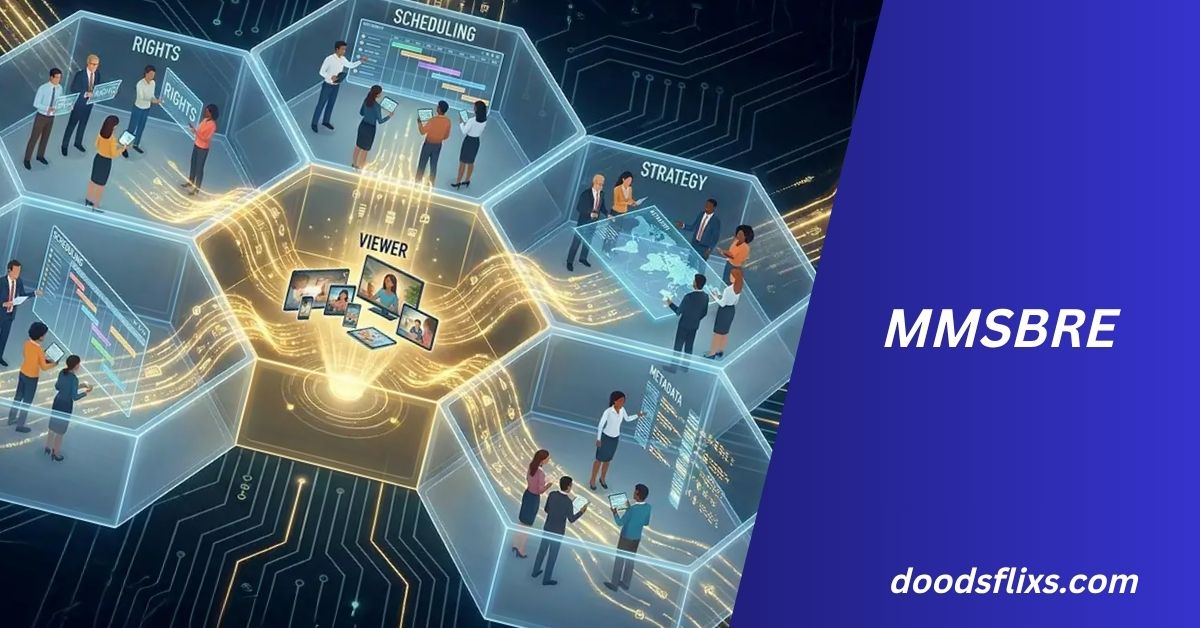
MMSBRE stands for Multi-Media Streaming and Broadcast Relay Environment. It is a modern framework that supports the delivery, management, processing, and distribution of multimedia content across multiple networks and devices. Rather than being a single software application, mmsbre is better understood as a complete streaming ecosystem that connects content creators, broadcasters, cloud servers, content delivery networks (CDNs), and viewers.
As streaming continues to dominate entertainment, education, healthcare, gaming, and business communication, the role of mmsbre becomes increasingly important. Organizations need reliable systems capable of delivering millions of simultaneous streams while maintaining excellent quality and low latency.
This comprehensive guide explains everything about mmsbre, including how it works, its architecture, benefits, components, real-world applications, challenges, future trends, security considerations, and best practices. Whether you are a beginner, IT professional, broadcaster, business owner, or technology enthusiast, this guide provides practical insights in easy-to-understand language.
What Is MMSBRE?
MMSBRE, or Multi-Media Streaming and Broadcast Relay Environment, refers to the infrastructure responsible for receiving, processing, optimizing, and distributing multimedia content to audiences across multiple devices and networks.
Unlike traditional broadcasting systems that rely on fixed infrastructure, mmsbre combines cloud computing, network optimization, video encoding, intelligent routing, and streaming protocols into one flexible environment.
The primary objective of mmsbre is simple:
Deliver high-quality multimedia content quickly, securely, reliably, and efficiently regardless of where viewers are located.
A complete mmsbre system generally handles:
- Live video streaming
- On-demand video delivery
- Audio streaming
- Interactive broadcasts
- Multi-device compatibility
- Adaptive bitrate streaming
- Cloud-based content management
- Broadcast synchronization
- Network optimization
- Global content distribution
Instead of focusing only on sending video from one point to another, mmsbre manages the entire journey of digital media.
Why MMSBRE Is Becoming More Important
Modern internet users have very high expectations.
They expect:
- Instant video playback
- Ultra-HD resolution
- Minimal buffering
- Mobile compatibility
- Live interaction
- Secure streaming
- Fast loading worldwide
Traditional streaming systems often struggle under heavy traffic. A single viral event can overwhelm servers if proper infrastructure is not available.
Also Read:Adultsrach: The Complete Guide to Features, Safety, and Genuine Adult Connections (2026)
Mmsbre addresses these challenges by distributing workloads across multiple relay nodes, cloud servers, and global delivery networks.
This allows streaming platforms to support millions of viewers simultaneously while maintaining consistent quality.
The Evolution of Multimedia Broadcasting
Understanding mmsbre becomes easier by looking at how multimedia broadcasting has evolved.
Traditional Television Broadcasting
Earlier broadcasting relied on:
- Satellite signals
- Cable television
- Radio towers
- Local transmission stations
The audience had very limited interaction.
Content flowed in one direction.
Internet Streaming
The arrival of broadband internet introduced:
- Video websites
- Live streaming
- Video conferencing
- Online education
- Mobile viewing
Streaming shifted from scheduled programming to on-demand experiences.
Cloud-Based Broadcasting
Cloud technologies transformed media delivery by introducing:
- Virtual servers
- Distributed processing
- Automatic scaling
- AI-assisted optimization
- Global infrastructure
This stage laid the foundation for mmsbre environments.
Intelligent Broadcast Relay Systems
Today’s streaming environments combine:
- Artificial Intelligence
- Machine Learning
- Cloud Computing
- CDN optimization
- Edge computing
- Real-time analytics
These integrated technologies define the modern mmsbre ecosystem.
How MMSBRE Works
Although mmsbre involves advanced networking, its overall workflow is relatively straightforward.
Step 1: Content Creation
Content begins with:
- Cameras
- Smartphones
- Professional studios
- Gaming consoles
- Audio equipment
- Presentation software
These sources generate raw multimedia data.
Step 2: Media Encoding
Raw media files are extremely large.
Encoding converts them into compressed digital formats suitable for internet transmission while maintaining visual quality.
Common encoding standards include:
- H.264
- H.265
- AV1
- AAC
- Opus
Step 3: Relay Environment
This is where mmsbre becomes essential.
Instead of sending data directly to every viewer, relay servers receive, optimize, duplicate, and distribute the content efficiently.
These relay environments:
- Balance traffic
- Prevent overload
- Reduce delays
- Improve reliability
Step 4: Cloud Distribution
Content is stored and distributed through cloud infrastructure that automatically scales according to audience demand.
Step 5: Content Delivery Network
CDNs place copies of multimedia closer to viewers.
This greatly reduces:
- Latency
- Buffering
- Packet loss
Step 6: Viewer Playback
Users watch content through:
- Smartphones
- Smart TVs
- Tablets
- Computers
- Gaming consoles
- Streaming devices
The playback quality automatically adjusts according to internet speed.
Core Components of MMSBRE
A professional mmsbre environment contains multiple interconnected technologies.
Media Ingestion
Media ingestion receives incoming streams from different sources.
It supports:
- RTMP
- SRT
- WebRTC
- MPEG Transport Stream
- NDI
Encoding Servers
Encoding servers prepare content for efficient transmission.
They optimize:
- Resolution
- Compression
- Bitrate
- Frame rate
Relay Nodes
Relay nodes duplicate and forward streams without requiring the original source to serve every viewer.
This improves scalability.
Content Delivery Networks
CDNs distribute cached content globally.
This minimizes network congestion and speeds up playback.
Cloud Storage
Cloud storage keeps:
- Recorded broadcasts
- Video archives
- Backup media
- Metadata
- User-generated content
Analytics Systems
Modern mmsbre platforms continuously monitor:
- Viewer numbers
- Buffering rates
- Device usage
- Geographic traffic
- Engagement metrics
- Network health
Security Infrastructure
Security components include:
- Encryption
- Authentication
- Access control
- Digital Rights Management
- Firewalls
- Threat detection
Major Features of MMSBRE
Modern mmsbre solutions offer numerous advanced capabilities.
Adaptive Bitrate Streaming
Video quality automatically changes according to internet speed.
Users experience fewer interruptions.
Multi-Platform Support
Streams work across:
- Windows
- macOS
- Android
- iOS
- Linux
- Smart TVs
Low-Latency Delivery
Optimized routing reduces delays during live broadcasts.
This is especially valuable for gaming, sports, and online events.
Automatic Scaling
Cloud servers expand capacity during traffic spikes.
Resources shrink when demand decreases.
Fault Tolerance
If one server fails, another immediately replaces it.
This prevents service interruptions.
Global Accessibility
Users can access content from nearly any location with internet connectivity.
Benefits of Using MMSBRE
Organizations increasingly adopt mmsbre because of its numerous advantages.
Better Viewer Experience
Smooth playback keeps audiences engaged.
Lower buffering improves user satisfaction.
Improved Reliability
Distributed infrastructure prevents single points of failure.
Higher Scalability
Platforms can handle thousands or millions of concurrent viewers.
Lower Operational Costs
Cloud infrastructure reduces hardware investments.
Organizations pay mainly for resources they actually use.
Stronger Security
Modern encryption protects sensitive multimedia content.
Easier Maintenance
Centralized management simplifies updates and monitoring.
Industries That Use MMSBRE
The flexibility of mmsbre allows it to serve many industries.
Entertainment
Streaming platforms deliver:
- Movies
- TV shows
- Live concerts
- Award ceremonies
- Reality shows
Sports Broadcasting
Sports organizations rely on real-time streaming for:
- Live matches
- Commentary
- Instant replays
- Multi-camera coverage
Education
Universities use mmsbre for:
- Online lectures
- Virtual classrooms
- Recorded lessons
- Interactive learning
Healthcare
Medical organizations stream:
- Telemedicine appointments
- Surgical demonstrations
- Medical training
- Healthcare webinars
Corporate Communication
Businesses conduct:
- Virtual meetings
- Product launches
- Company announcements
- Employee training
Also Read:Babybelletje: The Complete Guide to Its Meaning, Origin, Cheese Culture, Uses, and Popularity
Government
Government agencies stream:
- Public meetings
- Emergency announcements
- Press conferences
- Educational campaigns
Religious Organizations
Faith communities broadcast:
- Worship services
- Sermons
- Conferences
- Community events
MMSBRE and Cloud Computing
Cloud technology has significantly expanded the capabilities of mmsbre.
Cloud integration provides:
- Unlimited scalability
- Automatic backups
- Disaster recovery
- Geographic redundancy
- Centralized monitoring
- Cost efficiency
Organizations no longer need to purchase expensive broadcasting hardware for every location.
The Role of Artificial Intelligence in MMSBRE
Artificial Intelligence is becoming an essential part of modern streaming environments.
AI assists with:
Quality Optimization
Machine learning predicts network congestion before it occurs.
Content Recommendations
AI analyzes viewing behavior to suggest relevant content.
Automatic Captioning
Speech recognition creates subtitles in real time.
Intelligent Compression
AI improves video quality while reducing bandwidth usage.
Threat Detection
Machine learning identifies suspicious activity and cyberattacks faster than manual monitoring.
Security in MMSBRE
Security remains one of the highest priorities.
A secure mmsbre environment typically includes:
Encryption
Data remains protected during transmission.
Authentication
Only authorized users access protected streams.
Digital Rights Management
DRM prevents unauthorized copying and redistribution.
Access Control
Organizations define who can view specific content.
Network Monitoring
Continuous monitoring detects abnormal traffic patterns.
Common Streaming Protocols Used in MMSBRE
Several communication protocols support multimedia delivery.
RTMP
Still widely used for media ingestion.
HLS
One of the most common streaming formats worldwide.
DASH
Provides adaptive streaming across many devices.
WebRTC
Ideal for ultra-low latency communication.
SRT
Offers reliable transmission over unstable internet connections.
Challenges Facing MMSBRE
Despite its strengths, mmsbre also presents several challenges.
Network Congestion
Heavy internet traffic can affect streaming quality.
Infrastructure Costs
Large deployments require careful budgeting.
Cybersecurity Risks
Streaming platforms remain attractive targets for attackers.
Compatibility Issues
Supporting older devices requires additional optimization.
Latency
Ultra-low latency remains technically demanding.
Best Practices for Implementing MMSBRE
Successful deployments follow several best practices.
Choose Reliable Infrastructure
Select trusted cloud providers and high-quality networking equipment.
Use Multiple Relay Servers
Redundant servers improve reliability.
Optimize Video Encoding
Efficient encoding reduces bandwidth without sacrificing quality.
Monitor Performance Continuously
Real-time analytics identify problems before viewers notice them.
Protect Content
Implement encryption, DRM, and strong authentication.
Plan for Growth
Design systems that can easily scale with audience demand.
MMSBRE Compared With Traditional Streaming
Traditional streaming often depends on centralized servers.
Mmsbre distributes workloads across multiple intelligent systems.
| Traditional Streaming | MMSBRE |
| Limited scalability | Highly scalable |
| Single server dependency | Distributed relay environment |
| Higher buffering | Lower buffering |
| Basic monitoring | Advanced analytics |
| Manual scaling | Automatic cloud scaling |
| Limited redundancy | High availability |
Real-World Examples of MMSBRE Applications
Although organizations may use different technologies, many large-scale streaming platforms follow principles similar to mmsbre.
Examples include:
- Global sports tournaments
- Music festivals
- Virtual business conferences
- Massive online courses
- Government broadcasts
- International news coverage
- Live shopping events
- Esports competitions
Each requires infrastructure capable of supporting enormous audiences without sacrificing quality.
Future Trends in MMSBRE
The future of mmsbre looks promising as digital media continues to grow.
Several innovations are expected to shape the next generation of streaming.
Edge Computing
Processing content closer to viewers will reduce latency.
8K Streaming
Higher resolutions will require smarter bandwidth management.
AI Automation
Artificial intelligence will automate more broadcasting operations.
5G Networks
Faster wireless connectivity will improve mobile streaming experiences.
Virtual Reality Broadcasting
Immersive events will require advanced relay systems capable of handling significantly more data.
Green Streaming Infrastructure
Energy-efficient data centers will become increasingly important as streaming traffic continues to rise.
How Businesses Can Prepare for MMSBRE
Organizations planning to modernize their streaming capabilities should focus on long-term infrastructure rather than short-term solutions.
Key recommendations include:
- Invest in scalable cloud architecture.
- Prioritize cybersecurity from the beginning.
- Choose streaming protocols based on specific use cases.
- Implement detailed monitoring and analytics.
- Optimize content for multiple devices and network conditions.
- Regularly test disaster recovery procedures.
- Train technical teams on emerging streaming technologies.
- Review viewer feedback to improve quality continuously.
Businesses that adopt these strategies are better positioned to deliver reliable digital experiences while controlling operational costs.
Expert Analysis: Why MMSBRE Represents the Future of Digital Broadcasting
Many articles describe mmsbre simply as another streaming technology. That explanation is incomplete.
A better way to understand mmsbre is as a coordination layer that brings together several independent technologies into one efficient ecosystem. Video encoding, cloud computing, relay servers, CDNs, analytics, security, and AI are all valuable on their own, but their true power comes from working together.
As streaming demand grows, organizations cannot rely on isolated systems. They need integrated environments capable of adapting in real time to changing traffic, network conditions, and viewer expectations. This is where mmsbre stands out.
From a strategic perspective, the greatest advantage of mmsbre is not just faster streaming. It is operational flexibility. Businesses can expand into new markets, support larger audiences, launch new services, and respond quickly to technical issues without rebuilding their infrastructure from scratch.
Another important trend is personalization. Future mmsbre environments will increasingly use AI to optimize each viewer’s experience individually, adjusting quality, recommending content, translating captions, and even predicting network issues before they affect playback.
Organizations that invest in modern broadcast relay environments today are likely to be better prepared for future technologies such as immersive media, interactive live events, and AI-driven content delivery.
Common Misconceptions About MMSBRE
Several misconceptions can lead to confusion.
MMSBRE Is Not a Single Software Product
It is an infrastructure model composed of multiple technologies working together.
MMSBRE Is Not Limited to Video
It supports audio, live broadcasts, webinars, interactive communication, and other multimedia services.
Also Read:Shani Levni: Complete Guide to the Israeli Artist, Her Art Style & Creative Journey
MMSBRE Is Not Only for Large Companies
Small businesses, schools, nonprofits, and startups can also implement scaled-down mmsbre environments using cloud-based services.
MMSBRE Does Not Eliminate the Need for Good Network Design
Even the best relay environment depends on reliable internet connectivity, efficient configuration, and ongoing monitoring.
Frequently Asked Questions
What does mmsbre stand for?
MMSBRE stands for Multi-Media Streaming and Broadcast Relay Environment. It describes the infrastructure used to receive, process, optimize, and distribute multimedia content efficiently across different networks and devices.
Is mmsbre a software application?
No. Mmsbre is not a single software program. It is a complete technical environment that combines streaming servers, cloud services, relay systems, security tools, and delivery networks.
Can small businesses benefit from mmsbre?
Yes. Small businesses can use cloud-based mmsbre solutions to stream webinars, product launches, online training, and live events without investing in expensive physical infrastructure.
Does mmsbre improve video quality?
Yes. By using adaptive bitrate streaming, intelligent routing, and efficient encoding, mmsbre helps maintain smoother playback and better video quality under different network conditions.
Is mmsbre compatible with mobile devices?
Yes. Modern mmsbre environments are designed to support smartphones, tablets, laptops, desktops, smart TVs, and many other internet-connected devices.
Can mmsbre support live and recorded content together?
Yes. A single mmsbre environment can manage live broadcasts while also storing and delivering on-demand recordings, making it suitable for hybrid streaming platforms.
How does mmsbre help during sudden traffic spikes?
It uses cloud scalability, relay servers, and distributed delivery systems to automatically allocate additional resources, helping maintain stable performance even when viewer numbers increase rapidly.
What skills are useful for working with mmsbre technologies?
Knowledge of networking, cloud computing, video encoding, streaming protocols, cybersecurity, and system monitoring can be valuable for professionals managing mmsbre environments.
Conclusion
MMSBRE, or Multi-Media Streaming and Broadcast Relay Environment, has become an essential foundation for modern digital media delivery. Rather than functioning as a standalone technology, it integrates cloud computing, relay servers, content delivery networks, adaptive streaming, analytics, and security into a unified ecosystem capable of delivering reliable multimedia experiences at scale.
As demand for high-quality streaming continues to grow across entertainment, education, healthcare, business, and public services, organizations need infrastructure that is flexible, secure, and ready for future innovation. Mmsbre addresses these needs by improving scalability, reducing latency, strengthening reliability, and supporting viewers on virtually any connected device.
Looking ahead, technologies such as artificial intelligence, edge computing, 5G, immersive media, and intelligent automation will further enhance the capabilities of mmsbre. Organizations that understand and adopt these principles today will be better equipped to deliver exceptional streaming experiences in the years to come.