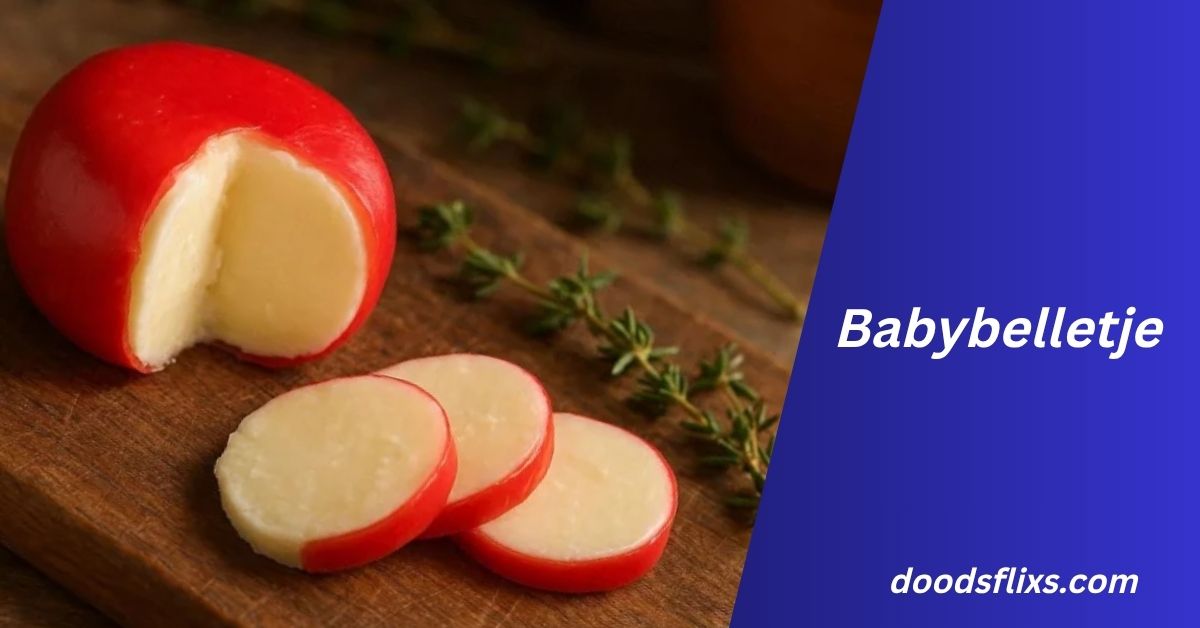
Babybelletje: The Complete Guide to Its Meaning, Origin, Cheese Culture, Uses, and Popularity
The word Babybelletje may seem unfamiliar to many English speakers, but it carries a charming meaning in Dutch-speaking communities. It is an affectionate or diminutive term connected with the small, round Babybel cheese that many people recognize from grocery stores around the world. While the famous Mini Babybel cheese is known internationally, the word “babybelletje” reflects something more personal and cultural.
In the Dutch language, adding “-tje” or “-etje” to a noun often creates a diminutive form. This makes a word sound smaller, cuter, or more affectionate. As a result, “babybelletje” can simply mean “little Babybel” or “small Babybel cheese.”
Today, interest in the keyword babybelletje has grown because people want to understand whether it refers to a product, a nickname, a Dutch expression, or something else. This guide explains everything in simple language, including its linguistic meaning, cultural background, relationship with Mini Babybel cheese, nutritional value, storage, serving ideas, recipes, and frequently asked questions.
Whether you are learning Dutch, exploring European food culture, or simply curious about the word, this complete guide provides everything you need to know.
What Is Babybelletje?
At its simplest, babybelletje is an affectionate Dutch word used for a small Babybel cheese.
The word combines two parts:
Babybel
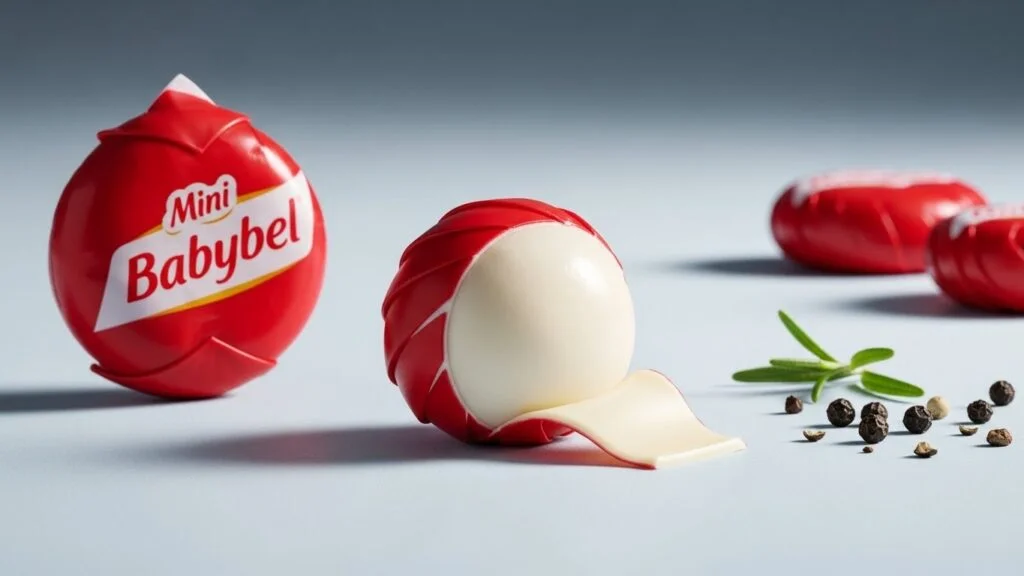
Babybel is the internationally recognized brand of small round cheese covered in a distinctive red wax coating.
Letje
The ending “-tje” is a Dutch diminutive suffix. It is commonly added to nouns to make them sound smaller, friendlier, or more affectionate.
When combined, babybelletje literally translates to:
- Little Babybel
- Tiny Babybel
- Cute Babybel
Rather than representing a separate cheese product, babybelletje is generally understood as an informal Dutch way of referring to Mini Babybel cheese.
The Meaning Behind Babybelletje
Languages often use diminutives to express affection rather than simply indicating size.
In Dutch, words ending in:
- -tje
- -etje
- -pje
- -kje
can make everyday objects sound warmer and friendlier.
For example:
- huis → huisje (little house)
- boek → boekje (small book)
- babybel → babybelletje
This explains why parents, children, and even adults may naturally say babybelletje during conversation.
Also read:Shani Levni: Complete Guide to the Israeli Artist, Her Art Style & Creative Journey
The word feels informal, friendly, and conversational rather than technical.
Is Babybelletje an Official Product Name?
One common misunderstanding is that babybelletje is a completely different cheese brand.
The answer is no.
Babybelletje is generally not marketed as a separate commercial product. Instead, it is commonly understood as a linguistic variation of Mini Babybel used in Dutch-speaking environments.
People searching for babybelletje are usually looking for:
- Mini Babybel cheese
- Dutch meaning of the word
- Translation
- Cheese information
- Nutrition
- European food culture
Understanding this distinction helps avoid confusion when shopping or reading Dutch content.
The Origin of the Word Babybelletje
The word developed naturally through Dutch language rules rather than being invented by a marketing campaign.
Dutch speakers frequently modify brand names using diminutive endings.
This makes conversations feel:
- More personal
- More friendly
- More natural
- More conversational
Over time, many families and children began referring to the familiar cheese as babybelletje instead of simply Babybel.
This linguistic evolution is common throughout Dutch-speaking regions.
Understanding the Dutch Diminutive System
To fully appreciate babybelletje, it helps to understand how Dutch forms diminutives.
Diminutives are extremely common in Dutch daily speech.
They can indicate:
Small Size
A physically smaller object.
Affection
Showing warmth toward something.
Familiarity
Making speech sound casual.
Friendliness
Creating a softer tone.
Unlike English, where words like “little” are often added separately, Dutch usually changes the noun itself.
That is exactly what happens with babybelletje.
The Story Behind Mini Babybel Cheese
Although babybelletje is a Dutch expression, it refers to one of the world’s most recognizable snack cheeses.
Mini Babybel has become popular because of its:
- round shape
- wax coating
- convenient size
- mild taste
- portability
The cheese is individually wrapped, making it easy to include in lunches, picnics, school meals, and travel snacks.
Its iconic red wax coating has become one of the most recognizable food packages in supermarkets worldwide.
Why Is Babybel Cheese Covered in Wax?
One of the most distinctive features connected with babybelletje is its colorful wax shell.
The wax serves several purposes.
Protects Freshness
The wax helps reduce exposure to air.
Maintains Moisture
It prevents the cheese from drying out quickly.
Improves Hygiene
The coating acts as an extra protective layer during handling.
Creates Brand Recognition
The red wax has become a symbol associated with Babybel products.
The wax itself is not edible and should always be removed before eating.
What Does Babybelletje Taste Like?
The flavor depends on the variety, but traditional Mini Babybel cheese is generally described as:
- mild
- creamy
- smooth
- buttery
- slightly tangy
Its gentle flavor makes it popular among both children and adults.
Because it is not overly salty or sharp, it pairs well with many foods.
Different Babybel Cheese Varieties
Modern Babybel products are available in several flavors.
Popular options include:
Original
Classic creamy cheese.
Light
Lower-fat version with similar flavor.
White Cheddar
Richer taste with more pronounced cheddar notes.
Gouda
Inspired by traditional Dutch cheese.
Mozzarella Style
Designed for lighter meals and snacks.
Availability varies by country.
Nutritional Value of Babybelletje
Although babybelletje refers to the name rather than nutrition itself, people often search for the health aspects of Mini Babybel cheese.
Generally, one serving provides:
- protein
- calcium
- vitamin B12
- phosphorus
- healthy dairy fats
Protein supports muscles.
Calcium contributes to strong bones.
Vitamin B12 supports the nervous system.
Phosphorus works together with calcium for bone health.
Actual nutrition varies by product variety.
Is Babybelletje Healthy?
For many people, Mini Babybel can fit into a balanced diet.
Benefits include:
Good Protein Source
Protein helps keep you feeling full longer.
Calcium Rich
Supports bone health.
Portion Control
Each cheese comes individually wrapped, making serving sizes easier to manage.
Convenient Snack
Requires no preparation.
However, moderation remains important because cheese also contains saturated fat and sodium.
Who Enjoys Babybelletje?
One reason babybelletje remains popular is its broad appeal.
It is commonly enjoyed by:
- children
- students
- office workers
- athletes
- travelers
- families
- picnic lovers
Its convenient packaging makes it suitable for many lifestyles.
Babybelletje Around the World
Although the Dutch word babybelletje is regional, Mini Babybel cheese enjoys worldwide popularity.
It is commonly found in:
- Europe
- North America
- South America
- Asia
- Australia
Each region may offer slightly different flavors based on local preferences.
Babybelletje in Dutch Culture
Dutch speakers often enjoy using affectionate language.
Instead of speaking formally, everyday conversations frequently include diminutives.
Someone packing lunch might naturally say:
“I’ll put a babybelletje in your lunchbox.”
This sounds warmer than simply saying Babybel.
It reflects everyday spoken Dutch rather than formal writing.
Why Children Love Babybelletje
Children are naturally attracted to Babybel cheese because it combines several enjoyable features.
These include:
Fun Packaging
Peeling the wax becomes part of the eating experience.
Small Size
Easy for little hands.
Mild Flavor
Appeals to younger taste preferences.
Portable Snack
Perfect for school lunches.
Why Adults Like Babybelletje
Adults appreciate it for different reasons.
These include:
- quick snack
- protein source
- portion control
- travel convenience
- office lunches
- picnic food
Its simplicity fits modern busy lifestyles.
Also Read: Antarvacna: The Complete Guide to Inner Awareness, Non-Attachment, and Peaceful Living
Creative Ways to Eat Babybelletje
Although many people eat it straight from the wrapper, there are many creative serving ideas.
Cheese Boards
Add babybelletje alongside crackers, nuts, grapes, and cured meats.
Lunch Boxes
Include fresh fruit and vegetables for a balanced meal.
Salads
Slice Babybel into fresh garden salads.
Sandwiches
Use instead of sliced cheese.
Pasta
Melt into warm pasta dishes.
Pizza
Add small cheese pieces before baking.
Snack Plates
Pair with apples, pears, grapes, or berries.
Best Foods to Pair with Babybelletje
Many ingredients complement its creamy flavor.
Excellent combinations include:
Fruits
- apples
- grapes
- strawberries
- pears
Crackers
Whole grain crackers provide texture.
Bread
Fresh baguettes and sourdough pair beautifully.
Vegetables
- cucumber
- carrots
- celery
- bell peppers
Nuts
Almonds and walnuts add crunch.
Babybelletje for School Lunches
Parents often choose Mini Babybel because it is:
- individually packaged
- easy to carry
- simple to open
- filling
- less messy than many snacks
Combined with fruit and whole grains, it creates a balanced lunch.
Can Babybelletje Be Used in Cooking?
Absolutely.
Although often eaten cold, it also works well in recipes.
Popular ideas include:
- grilled cheese sandwiches
- stuffed chicken
- omelets
- pasta
- casseroles
- baked potatoes
Its creamy texture melts nicely in many dishes.
How to Store Babybelletje Properly
Proper storage helps preserve flavor and texture.
Best practices include:
- refrigerate after purchase
- keep wax intact until ready to eat
- avoid prolonged heat exposure
- store according to package instructions
Leaving the protective wax on helps maintain freshness.
Common Misunderstandings About Babybelletje
Several misconceptions appear online.
Myth: Babybelletje Is a Different Cheese
Reality:
It is generally an affectionate Dutch form of Babybel.
Myth: The Wax Is Edible
Reality:
The wax should always be removed.
Myth: It Never Expires
Reality:
Like all dairy products, it has a recommended use-by date.
Myth: Only Children Eat It
Reality:
People of all ages enjoy Mini Babybel.
Babybelletje and Healthy Snacking
Healthy snacking depends on balance rather than avoiding specific foods.
Babybel cheese can contribute to balanced eating because it offers:
- protein
- calcium
- satisfying texture
- controlled portions
Pairing it with fruit or vegetables increases nutritional variety.
Environmental Considerations
Many consumers are becoming more environmentally conscious.
Questions often arise regarding:
- packaging
- wax disposal
- recyclable materials
- sustainability
Different regions have different recycling systems. Always follow local recycling guidelines for packaging materials.
Consumers can also reduce waste by purchasing only what they need and storing cheese properly to avoid food waste.
Babybelletje in Social Media
Food lovers frequently share creative ways to enjoy Babybel cheese online.
Popular content includes:
- lunchbox ideas
- children’s snacks
- cheese boards
- healthy meal prep
- picnic inspiration
- creative recipes
The playful appearance of the cheese makes it popular in food photography.
Why the Keyword Babybelletje Is Becoming More Popular
Several factors contribute to increasing searches.
These include:
- curiosity about Dutch words
- international food culture
- language learning
- European grocery products
- cheese enthusiasts
- travel interest
- social media discussions
As global audiences encounter Dutch content, more people naturally search for babybelletje.
Is Babybelletje Suitable for Different Diets?
Suitability depends on individual dietary needs.
People who consume dairy often include Mini Babybel as part of:
- balanced diets
- high-protein eating plans
- lunchbox meals
- snack routines
However, it may not be suitable for people with milk allergies or those following strict vegan diets. Always check the product label for ingredient and allergen information.
Buying Tips for Babybel Cheese
When shopping, consider the following:
- check the expiration date
- keep refrigerated after purchase
- choose the flavor you enjoy
- inspect packaging for damage
- buy appropriate quantities
Fresh products usually provide the best flavor and texture.
How Babybelletje Reflects Language and Food Culture
One fascinating aspect of babybelletje is how language shapes our relationship with food.
Many cultures create affectionate names for favorite foods.
Dutch speakers naturally adapted the well-known Babybel brand into a warmer everyday expression.
This demonstrates how language evolves through ordinary conversation rather than formal rules.
Babybelletje represents more than cheese.
It also reflects:
- family conversations
- childhood memories
- cultural identity
- language creativity
- everyday communication
Expert Perspective: Why Small Portion Snacks Continue to Grow in Popularity
Nutrition experts increasingly recognize that portion-controlled foods can support mindful eating when included as part of an overall balanced diet. Individually wrapped snacks like Mini Babybel encourage awareness of serving sizes, reduce unnecessary overeating, and make healthy planning easier for busy families.
Also read:Coomer.st: Complete Guide to Features, Privacy, Safety, and Legal Concerns (2026)
From a consumer behavior perspective, convenience remains one of the strongest drivers of food purchasing decisions. Products that are portable, easy to store, and simple to include in lunchboxes continue to perform well in many markets.
The popularity of the term babybelletje also illustrates another trend: people increasingly search for the meanings behind local words and cultural expressions. Rather than simply looking for products, users want to understand the language, traditions, and everyday habits connected to those products. This broader interest helps explain why terms like babybelletje attract attention beyond Dutch-speaking regions.
Frequently Asked Questions About Babybelletje
What does babybelletje mean?
Babybelletje is a Dutch diminutive or affectionate form of the word Babybel. It generally means “little Babybel” or “small Babybel cheese.”
Is babybelletje an official brand?
No. It is commonly used as an informal Dutch expression rather than a separate commercial brand.
Why do Dutch speakers say babybelletje?
Dutch frequently uses diminutives to make words sound friendlier, smaller, or more affectionate. Babybelletje follows this language pattern.
Is babybelletje different from Mini Babybel?
In most cases, no. It simply refers to the familiar Mini Babybel cheese in a more affectionate way.
Can adults eat Babybel cheese regularly?
Yes. It can be enjoyed by adults as part of a balanced diet when consumed in moderation.
Does Babybel cheese need refrigeration?
Yes. It should be stored according to the package instructions, usually in the refrigerator, to maintain freshness and food safety.
Can Babybel cheese be frozen?
Freezing is generally not recommended because it may affect the texture after thawing, although the cheese can remain safe if frozen properly.
Conclusion
Babybelletje is a simple yet fascinating example of how language and food culture come together. While it is closely associated with the well-known Mini Babybel cheese, the word itself reflects the warmth and friendliness of the Dutch language through its diminutive form. Rather than representing a separate cheese product, babybelletje is best understood as an affectionate way of referring to a small Babybel.
Beyond its linguistic meaning, the popularity of babybelletje also highlights growing global interest in European food traditions, language learning, and convenient snack foods. Mini Babybel remains valued for its creamy taste, portable packaging, portion-controlled size, and versatility in lunches, recipes, and everyday snacking.
Whether you discovered the term while learning Dutch, browsing grocery products, or searching online, understanding babybelletje provides insight into both language and culture. It reminds us that even a small piece of cheese can tell a much larger story about communication, tradition, and the everyday expressions people use around the world.