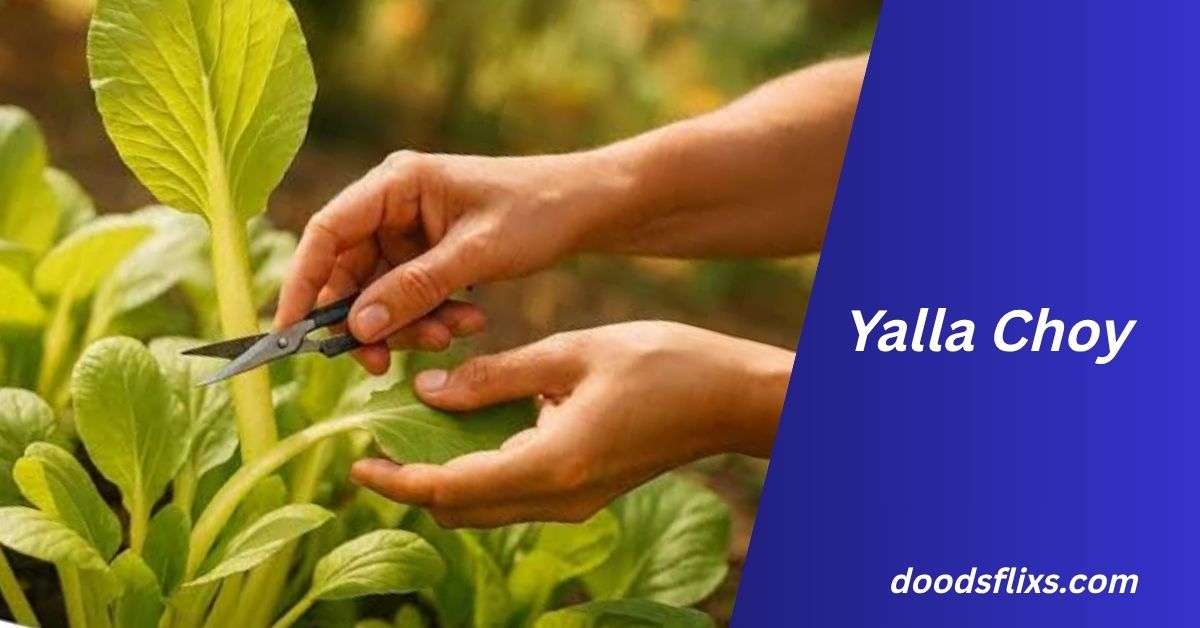
Yalla Choy: The Nutritious Leafy Green, Its Benefits, Uses, and More
Fresh leafy vegetables have always been an important part of a healthy diet. While spinach, kale, and lettuce often receive the most attention, many other green vegetables deserve recognition. One of these is yalla choy, a leafy green known for its fresh taste, impressive nutritional value, and versatility in the kitchen.
Yalla choy, commonly recognized as water spinach or kangkong in many parts of Asia, has become increasingly popular among health-conscious consumers worldwide. It grows quickly, tastes delicious, and provides many important vitamins and minerals that support overall wellness.
As more Americans look for healthy foods that are easy to prepare, yalla choy is gaining attention for its ability to fit into many different meals. Whether stir-fried, added to soups, steamed, or mixed into salads, this vegetable offers both flavor and nutrition.
This complete guide explores everything you need to know about yalla choy, including its history, nutritional profile, health benefits, culinary uses, growing methods, buying tips, storage recommendations, and much more.
What Is Yalla Choy?
Yalla choy is a leafy green vegetable commonly identified as water spinach, scientifically known as Ipomoea aquatica. Despite its common name, it is not closely related to traditional spinach. Instead, it belongs to the morning glory family.
The vegetable grows naturally in warm, tropical, and subtropical climates where plenty of water is available. It develops long, hollow stems with smooth, pointed green leaves that remain tender even after cooking.
Many cultures have enjoyed yalla choy for centuries because it grows rapidly and provides an affordable source of nutrition. Today, it is commonly found in Asian grocery stores, farmers’ markets, specialty produce sections, and home gardens.
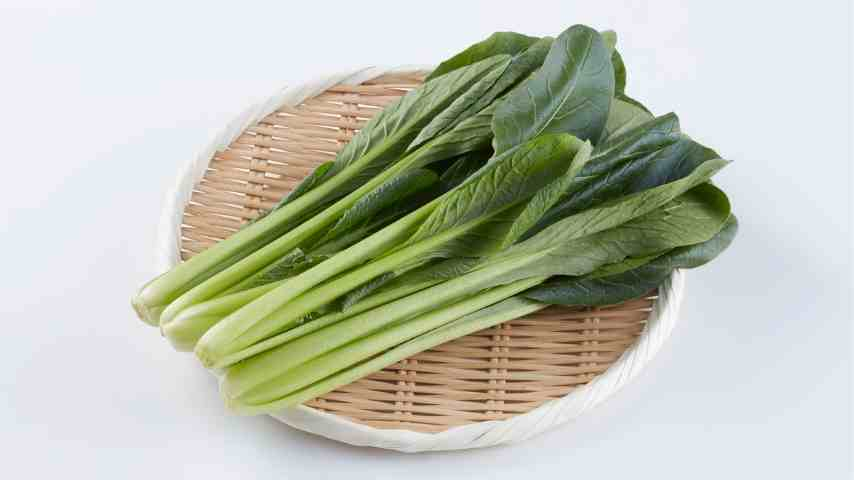
Its mild flavor makes it appealing even to people who usually avoid leafy greens. Rather than having a bitter taste like some vegetables, yalla choy offers a slightly sweet, fresh, and earthy flavor that blends well with many seasonings.
Other Names for Yalla Choy
Depending on the country or region, yalla choy may be called by several different names, including:
- Water spinach
- Kangkong
- River spinach
- Swamp cabbage
- Chinese water spinach
- Ong choy
- Morning glory vegetable
Knowing these names can help shoppers identify the vegetable when visiting local grocery stores or international markets.
The History of Yalla Choy
The story of yalla choy stretches back hundreds of years. Historians believe the plant originated in Southeast Asia, where warm temperatures and abundant water created ideal growing conditions.
Also Read: Jeroen Dik: The Dutch Diesel Tuning Legend and JD Engineering
Over time, traders introduced it to neighboring countries including China, India, Vietnam, Thailand, Malaysia, Indonesia, and the Philippines. Each culture developed unique cooking methods using local spices, herbs, and sauces.
As immigration increased around the world, communities brought their traditional foods with them. Today, yalla choy appears in restaurants across the United States, Canada, Australia, Europe, and many other regions.
Modern agriculture has also made cultivation easier, allowing farmers to produce fresh yalla choy for larger markets while maintaining its nutritional quality.
Why Yalla Choy Is Becoming More Popular
Several trends have contributed to the growing popularity of yalla choy.
People are increasingly interested in eating more vegetables.
Many consumers want foods that provide high nutrition without adding excessive calories.
Plant-based eating continues to grow, encouraging people to discover new vegetables.
International cuisine has become more accessible through restaurants, food blogs, cooking shows, and social media.
Home gardeners appreciate vegetables that grow quickly and produce multiple harvests.
These factors have helped introduce yalla choy to audiences who may never have heard of it just a few years ago.
How Yalla Choy Looks
Recognizing yalla choy is fairly simple.
The stems are long, smooth, and hollow, making them tender when cooked.
The leaves are narrow with pointed ends and display a rich green color.
Fresh plants usually have crisp stems without dark spots or signs of wilting.
When harvested young, both the leaves and stems remain soft enough to cook quickly.
The Taste of Yalla Choy
One reason many people enjoy yalla choy is its balanced flavor.
The leaves have a fresh, mild taste with a slight sweetness.
The stems provide a satisfying crunch when lightly cooked.
Unlike stronger leafy greens, yalla choy absorbs seasonings very well, making it suitable for garlic, ginger, soy sauce, sesame oil, chili peppers, lemon juice, and many herbs.
Its gentle flavor also allows it to pair with seafood, chicken, beef, tofu, mushrooms, noodles, and rice.
Nutritional Value of Yalla Choy
One of the biggest reasons nutrition experts recommend leafy vegetables is their excellent nutrient density. Yalla choy is no exception.
A typical serving contains valuable nutrients while remaining naturally low in calories.
Yalla choy provides:
- Vitamin A
- Vitamin C
- Vitamin K
- Folate
- Iron
- Calcium
- Magnesium
- Potassium
- Dietary fiber
- Plant antioxidants
- Water
Because of this impressive nutritional profile, yalla choy supports many body systems without contributing excessive fat or sugar.
Calories in Yalla Choy
For individuals managing their weight, yalla choy is an excellent addition to meals.
It contains relatively few calories while providing plenty of nutrients.
This combination helps people feel satisfied without significantly increasing total calorie intake.
Replacing calorie-dense side dishes with vegetables like yalla choy can support balanced eating habits over time.
Carbohydrates and Fiber
Yalla choy contains healthy carbohydrates along with dietary fiber.
Fiber supports healthy digestion by helping food move efficiently through the digestive system.
A fiber-rich diet may also contribute to:
- Better fullness after meals
- Stable digestion
- Healthy cholesterol levels
- Better blood sugar management
- Improved gut health
Although yalla choy is not the only source of fiber, it can contribute meaningfully to daily intake.
Protein Content
Leafy vegetables generally do not provide large amounts of protein, but yalla choy contains a modest amount compared to many other greens.
When combined with beans, tofu, seafood, eggs, or lean meats, it contributes to balanced meals that support muscle maintenance and overall health.
Vitamin A Benefits
Vitamin A is one of the standout nutrients found in yalla choy.
This vitamin plays important roles in:
- Supporting healthy vision
- Maintaining skin health
- Supporting immune function
- Encouraging normal cell growth
People who regularly eat colorful vegetables and leafy greens generally consume more vitamin A naturally.
Vitamin C Benefits
Vitamin C serves many important functions throughout the body.
Yalla choy contributes vitamin C that helps support:
- Immune health
- Collagen production
- Healthy skin
- Wound healing
- Antioxidant protection
Since vitamin C is sensitive to prolonged cooking, lightly cooking yalla choy may help preserve more of this nutrient.
Vitamin K and Bone Health
Vitamin K often receives less attention than vitamins C and D, but it plays an important role in healthy bones.
Yalla choy naturally contains vitamin K, which helps support normal blood clotting and contributes to bone metabolism.
Eating a variety of green vegetables can help people meet their vitamin K needs through food.
Iron in Yalla Choy
Iron supports the production of healthy red blood cells that carry oxygen throughout the body.
Although plant-based iron is absorbed differently than iron from animal foods, consuming yalla choy alongside vitamin C-rich foods like tomatoes, citrus fruits, or bell peppers may improve absorption.
This makes yalla choy a valuable vegetable for individuals following plant-focused diets.
Calcium for Strong Bones
Many people think only dairy products contain calcium.
However, leafy vegetables also contribute meaningful amounts of this important mineral.
Calcium supports:
- Strong bones
- Healthy teeth
- Muscle function
- Nerve signaling
- Heart function
Including yalla choy alongside other calcium-rich foods helps create a balanced eating pattern.
Potassium and Heart Health
Potassium helps regulate fluid balance throughout the body.
It also supports:
- Healthy blood pressure
- Proper muscle contractions
- Nerve communication
- Heart function
Many Americans do not consume enough potassium, making vegetables like yalla choy especially valuable.
Natural Antioxidants
Yalla choy contains several naturally occurring plant compounds that function as antioxidants.
Antioxidants help protect cells from damage caused by unstable molecules known as free radicals.
Although antioxidants cannot prevent every disease, diets rich in colorful vegetables are consistently associated with better long-term health.
Health Benefits of Yalla Choy
The nutritional richness of yalla choy contributes to a wide range of potential health benefits when eaten as part of a balanced diet.
Regularly including yalla choy in meals may help support:
- Better immune function
- Healthy digestion
- Strong bones
- Healthy eyesight
- Normal blood circulation
- Heart health
- Healthy skin
- Weight management
- Balanced nutrition
- Overall wellness
Rather than relying on one “superfood,” nutrition experts encourage eating a variety of vegetables. Yalla choy fits perfectly into that recommendation because it provides multiple nutrients in one simple ingredient.
One of the most overlooked strengths of yalla choy is its ability to improve the nutritional quality of everyday meals without changing their flavor dramatically. Adding it to soups, stir-fries, rice dishes, pasta, or omelets is an easy way to increase vegetable intake without requiring major dietary changes.
Also Read: Sodiceram: The Sodium-Enhanced Ceramic Materials, Applications, Benefits, and Future Innovations
Another advantage is its affordability. Compared to many trendy health foods, yalla choy is often inexpensive where it is available, making it a practical choice for families seeking nutritious meals on a budget.
Cooking with Yalla Choy
One of the biggest reasons yalla choy has remained popular for generations is its flexibility in the kitchen. Unlike some leafy vegetables that require complicated preparation, yalla choy cooks quickly and pairs well with many ingredients.
Both the leaves and tender stems are edible. The stems add a pleasant crunch, while the leaves become soft and flavorful after only a few minutes of cooking.
Its mild taste allows it to absorb seasonings without overpowering the dish, making it an excellent vegetable for both beginner and experienced cooks.
Popular Ways to Cook Yalla Choy
There are many delicious ways to prepare yalla choy. Some of the most popular include:
- Stir-frying with garlic and oil
- Adding it to vegetable soups
- Mixing it into noodle dishes
- Steaming it as a healthy side dish
- Including it in curries
- Cooking it with seafood
- Serving it with grilled chicken
- Adding it to fried rice
- Mixing it into omelets
- Blending young leaves into green smoothies
Because it cooks so quickly, yalla choy is ideal for busy families who want nutritious meals without spending hours in the kitchen.
Simple Garlic Yalla Choy Recipe
One of the easiest ways to enjoy yalla choy is with garlic.
Ingredients
- 1 bunch fresh yalla choy
- 3 garlic cloves, minced
- 1 tablespoon olive oil or vegetable oil
- 1 teaspoon soy sauce
- A pinch of black pepper
- Optional: crushed red pepper flakes
Instructions
Wash the yalla choy thoroughly and cut it into several-inch pieces.
Heat the oil in a large pan.
Cook the garlic for about 30 seconds until fragrant.
Add the stems first and cook for one minute.
Add the leaves and stir continuously.
Mix in the soy sauce and black pepper.
Cook for another two to three minutes until the leaves soften.
Serve immediately with rice, grilled meat, tofu, or seafood.
Yalla Choy in Soups
Yalla choy works especially well in soups because it softens quickly while keeping much of its fresh flavor.
Popular soup combinations include:
- Chicken and yalla choy
- Shrimp and yalla choy
- Beef broth with yalla choy
- Vegetable soup
- Miso soup
- Tofu soup
Adding the vegetable near the end of cooking helps preserve both texture and nutrients.
Yalla Choy in Stir-Fries
Stir-frying remains the most common cooking method.
Its stems stay slightly crisp while the leaves absorb sauces beautifully.
Popular stir-fry ingredients include:
- Garlic
- Ginger
- Onion
- Mushrooms
- Bell peppers
- Chicken
- Beef
- Shrimp
- Tofu
- Sesame oil
- Soy sauce
The result is a colorful, healthy meal that can be prepared in less than 20 minutes.
Can You Eat Yalla Choy Raw?
Some young, tender leaves can be eaten raw in salads or blended into smoothies. However, most people prefer cooking yalla choy.
Cooking offers several advantages.
It softens the stems.
It improves digestibility.
It enhances the flavor.
It also reduces the chance of consuming unwanted microorganisms that may be present if the vegetable was grown in untreated water.
For safety, always wash yalla choy thoroughly before eating.
How to Choose Fresh Yalla Choy
Selecting fresh vegetables makes a big difference in both taste and nutrition.
Look for yalla choy with:
- Bright green leaves
- Crisp stems
- No yellowing
- No slimy texture
- No dark spots
- Fresh appearance
- Firm leaves
Avoid bunches that appear wilted or have an unpleasant smell.
How to Store Yalla Choy
Fresh yalla choy tastes best when used within a few days of purchase.
To keep it fresh:
Wrap it loosely in a damp paper towel.
Place it inside a perforated plastic bag.
Store it in the refrigerator.
Avoid washing until just before cooking.
Proper storage helps maintain both texture and flavor.
Growing Yalla Choy at Home
One reason yalla choy has remained popular worldwide is that it grows very quickly.
Home gardeners often enjoy growing it because it requires relatively little maintenance.
It thrives in:
- Warm weather
- Plenty of sunlight
- Moist soil
- Regular watering
- Rich organic matter
In tropical climates, it can produce multiple harvests throughout the growing season.
Growing from Seeds
Many gardeners start with seeds.
The seeds germinate quickly when temperatures remain warm.
Once established, the plants grow rapidly.
Regular harvesting encourages new growth, allowing gardeners to collect fresh leaves repeatedly.
Growing from Cuttings
Another easy method involves stem cuttings.
Simply place healthy stems in water until roots develop.
Once rooted, transplant them into moist soil.
This simple technique allows gardeners to expand their harvest with minimal effort.
Is Yalla Choy Sustainable?
Yalla choy offers several environmental advantages.
It grows rapidly.
It produces large harvests.
It often requires fewer agricultural inputs than slower-growing vegetables.
Because it matures quickly, farmers can harvest multiple crops each year.
This efficiency makes it an attractive option for sustainable food production.
However, responsible farming practices remain important to protect waterways and maintain soil quality.
Potential Safety Considerations
Like any fresh vegetable, yalla choy should be purchased from reliable sources.
Plants grown in contaminated water may absorb harmful substances.
For this reason:
Wash thoroughly.
Cook when possible.
Purchase from trusted farms or grocery stores.
Avoid harvesting wild plants unless you know the growing conditions.
These simple precautions help ensure safe consumption.
Who Should Eat Yalla Choy?
Yalla choy fits well into many healthy eating plans.
It is suitable for:
- Families
- Children
- Adults
- Older adults
- Vegetarians
- Vegans
- Athletes
- People managing weight
- Individuals seeking more vegetables
Because it is naturally low in calories and rich in nutrients, it supports a balanced diet for most healthy individuals.
People taking blood-thinning medications should speak with their healthcare provider before making major changes to their intake of vitamin K-rich vegetables.
Yalla Choy Compared to Other Leafy Greens
Many shoppers wonder how yalla choy compares with familiar vegetables.
Yalla Choy vs. Spinach
Both vegetables provide vitamins and minerals.
Spinach contains high levels of iron and folate.
Yalla choy offers crisp stems, a milder flavor, and excellent versatility in stir-fries.
Yalla Choy vs. Kale
Kale has thicker leaves and a stronger taste.
Yalla choy cooks much faster and appeals to people who prefer softer greens.
Yalla Choy vs. Bok Choy
Bok choy belongs to the cabbage family.
Yalla choy belongs to the morning glory family.
Both are healthy choices, but they provide different textures and flavors.
Including a variety of leafy vegetables throughout the week provides the greatest nutritional diversity.
Common Mistakes When Cooking Yalla Choy
Many first-time cooks make small mistakes that affect the final dish.
Avoid these common problems:
Cooking too long
Overcooking makes the leaves mushy and reduces freshness.
Using too much water
Yalla choy naturally contains plenty of moisture.
Skipping the washing step
Always clean thoroughly before cooking.
Adding delicate seasonings too early
Fresh herbs and finishing sauces often taste better when added near the end.
Ignoring the stems
The stems are edible and provide excellent texture.
Expert Tips for Getting the Best Flavor
Professional cooks often recommend simple techniques.
Cook over medium-high heat.
Use fresh garlic.
Avoid overcrowding the pan.
Cook only until the leaves wilt.
Season lightly so the vegetable’s natural flavor remains noticeable.
Serve immediately after cooking.
These small adjustments create a brighter, fresher dish.
How Yalla Choy Fits Into a Healthy Lifestyle
Healthy eating is about patterns rather than individual foods.
Yalla choy works well as part of an overall balanced diet that includes:
Also Read: Caleb James Goddard: The Untold Story of Jack Nicholson and Susan Anspach’s Son
Whole grains
Lean proteins
Healthy fats
Fruits
Other colorful vegetables
Adequate hydration
Regular physical activity
Rather than replacing every vegetable, yalla choy expands dietary variety, helping people enjoy different nutrients throughout the week.
One of the greatest strengths of yalla choy is that it encourages people to eat more vegetables without feeling restricted. Its mild flavor appeals to children and adults alike, making it easier to increase vegetable intake across the entire family.
Future Trends for Yalla Choy
Interest in global cuisine continues to grow across the United States.
Consumers are becoming more adventurous when shopping for produce.
As awareness increases, yalla choy is likely to become more widely available in supermarkets alongside spinach, kale, and bok choy.
Farmers are also exploring improved growing methods that increase production while reducing environmental impact.
As a result, yalla choy may soon become a regular ingredient in healthy American kitchens.
Frequently Asked Questions About Yalla Choy
Is yalla choy the same as spinach?
No. Although people sometimes call it water spinach, yalla choy is a different plant species with its own texture, flavor, and growing habits.
What does yalla choy taste like?
It has a mild, slightly sweet, fresh flavor that pairs well with garlic, ginger, soy sauce, seafood, tofu, and many other ingredients.
Can beginners cook yalla choy easily?
Yes. It is one of the easiest leafy vegetables to prepare because it cooks in just a few minutes.
Is yalla choy good for meal prep?
Yes. Wash and cut it in advance, then cook just before serving to maintain the best texture and flavor.
Can children eat yalla choy?
Yes. When properly washed and cooked, it can be part of a healthy, balanced diet for children.
Does freezing affect yalla choy?
Freezing is possible, but the texture may become softer after thawing. Fresh yalla choy usually offers the best eating experience.
Can yalla choy be grown indoors?
Yes. With enough sunlight or quality grow lights and consistent watering, it can be grown indoors in suitable containers.
Is yalla choy suitable for vegetarian and vegan diets?
Absolutely. It is naturally plant-based and pairs well with beans, lentils, tofu, and other vegetarian protein sources.
Can yalla choy be used in modern recipes?
Yes. Beyond traditional dishes, chefs now use it in grain bowls, wraps, pasta dishes, smoothies, and fusion cuisine.
Why is yalla choy becoming more popular in the United States?
Growing interest in international foods, healthy eating, and nutrient-rich vegetables has introduced more American consumers to yalla choy.
Conclusion
Yalla choy is much more than another leafy green. Also known as water spinach or kangkong, it combines excellent nutrition, a mild flavor, quick cooking time, and impressive versatility. Rich in vitamins A, C, and K, along with minerals such as iron, calcium, and potassium, it supports a balanced diet while remaining naturally low in calories.
Its ability to grow quickly, adapt to different recipes, and complement a wide range of ingredients has made it a favorite in many cultures for generations. From simple garlic stir-fries to soups, curries, noodle dishes, and healthy side dishes, yalla choy offers countless ways to enjoy fresh vegetables every day.
As awareness continues to grow in the United States, yalla choy is likely to become an increasingly common ingredient in home kitchens and restaurants alike. Whether your goal is improving nutrition, exploring global cuisine, or adding more variety to your meals, yalla choy is a smart, flavorful, and practical choice that deserves a place on your plate.