Jeroen Dik: The Dutch Diesel Tuning Legend and JD Engineering
The name jeroen dik is highly respected among automotive enthusiasts, especially those who appreciate high-performance diesel engines and professional ECU tuning. While many people know him as the founder of JD Engineering, his influence extends much further than running a successful tuning company. He is widely recognized as one of the pioneers who transformed diesel performance tuning into a reliable, science-based discipline rather than a simple horsepower race.
From winning diesel racing competitions to developing advanced ECU calibrations for thousands of vehicles, Jeroen Dik has spent decades proving that performance and reliability can exist together. His philosophy focuses on extracting more power without sacrificing engine longevity, making him one of the most trusted names in European automotive tuning.
Whether you are researching his career, considering ECU tuning for your own vehicle, or simply curious about one of Europe’s most respected diesel experts, this comprehensive guide covers everything you need to know.
This article explores the life, achievements, engineering philosophy, tuning methods, racing background, business success, and lasting impact of Jeroen Dik while providing insights that go beyond the information commonly available online.
Who Is Jeroen Dik?
Jeroen Dik is a Dutch automotive engineer, professional ECU tuning specialist, former diesel racing champion, and founder of JD Engineering. Since establishing his company in 1992, he has built an international reputation for creating high-performance engine software that prioritizes safety, reliability, and drivability.
Unlike many tuners who focus only on increasing horsepower, Jeroen Dik approaches tuning as an engineering challenge. Every calibration is designed after careful analysis of engine parameters, fuel systems, turbochargers, airflow, cooling capacity, transmission limits, and long-term durability.
This balanced philosophy has helped JD Engineering become one of Europe’s most respected independent tuning companies.
Today, enthusiasts across Europe travel significant distances to have their vehicles tuned by his team because of the company’s consistent reputation for quality.
Early Career and Passion for Automotive Engineering
Long before ECU tuning became mainstream, Jeroen Dik was fascinated by engine performance.
Growing up in the Netherlands, he developed an interest in:
- Engine mechanics
- Vehicle electronics
- Motorsport
- Diesel technology
- Performance optimization
During the late 1980s and early 1990s, electronic engine management systems were rapidly replacing traditional mechanical fuel injection.
While many workshops struggled to understand these new systems, Jeroen recognized that software would become the future of engine performance.
Instead of relying solely on mechanical upgrades, he focused on learning how electronic control units managed:
- Fuel injection
- Ignition timing
- Turbocharger boost
- Air-fuel ratios
- Torque management
- Emission systems
This early investment in knowledge helped establish him as one of the first specialists in professional ECU remapping.
The Beginning of JD Engineering
In 1992, Jeroen Dik founded JD Engineering.
At the time, ECU tuning was still a relatively new industry.
Also Read: Portar Leisa: The Carrying Beauty, Culture, and Meaning Across Generations
Many companies simply copied generic software files without properly testing them.
JD Engineering took a completely different approach.
From the beginning, the company focused on:
- Individual vehicle testing
- Custom software development
- Dyno verification
- Data logging
- Reliability analysis
- Customer education
Rather than chasing impressive marketing numbers, the company aimed to produce safe and repeatable performance improvements.
That philosophy remains one of JD Engineering’s defining characteristics today.
Why Jeroen Dik Is Called the “Tuning Yoda”
Within the European automotive community, many enthusiasts refer to Jeroen Dik as the “Tuning Yoda.”
This nickname reflects several qualities:
- Decades of experience
- Deep technical knowledge
- Calm engineering approach
- Focus on precision instead of hype
- Ability to solve complex engine problems
Unlike flashy internet personalities, Jeroen Dik built his reputation quietly through consistent results.
Customers often describe him as someone who understands engines at an exceptionally deep level.
His advice is respected because it comes from years of practical testing rather than marketing claims.
Diesel Racing Success
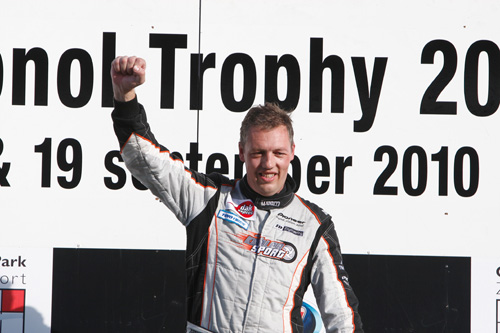
One of the biggest reasons Jeroen Dik became well known was his success in diesel motorsport.
At a time when gasoline-powered race cars dominated motorsport, diesel performance was often underestimated.
Jeroen helped change that perception.
His racing achievements demonstrated that modern diesel engines could deliver:
- Incredible torque
- Excellent acceleration
- Strong reliability
- Competitive lap times
- Outstanding efficiency
These racing experiences provided valuable data that later improved his commercial tuning programs.
Instead of learning solely in laboratories, he tested engine software under extreme real-world conditions.
Motorsport became his engineering laboratory.
How Racing Improved His Engineering
Competitive racing teaches lessons that ordinary road driving cannot.
During racing, engines experience:
- Maximum boost pressure
- High exhaust temperatures
- Continuous full throttle
- Rapid gear changes
- Long periods of heavy load
Software that survives these conditions is usually very reliable on normal roads.
Jeroen Dik applied these lessons directly to customer vehicles.
This explains why many JD Engineering tunes are known for balancing impressive performance with dependable operation.
JD Engineering’s Engineering Philosophy
One of the reasons Jeroen Dik stands apart from many tuning companies is his philosophy.
Instead of asking:
“How much horsepower can we make?”
He asks:
“What is the safest amount of power this engine can produce every day?”
That difference changes the entire tuning process.
Every calibration considers:
- Turbo efficiency
- Fuel system capacity
- Engine cooling
- Transmission strength
- Clutch limitations
- Exhaust temperatures
- Air intake efficiency
The goal is creating a complete package rather than simply increasing boost pressure.
Reliable Power Instead of Maximum Numbers
Some tuners advertise the highest horsepower figures possible.
Jeroen Dik follows a different strategy.
His software aims to deliver:
- Smooth acceleration
- Consistent torque
- Factory-like drivability
- Safe operating temperatures
- Reduced mechanical stress
- Long engine life
For daily drivers, this approach often provides greater satisfaction than aggressive tuning.
Owners receive noticeable performance improvements without sacrificing dependability.
How ECU Tuning Works
To understand Jeroen Dik’s work, it helps to understand ECU tuning.
Modern vehicles use an Engine Control Unit (ECU) that controls nearly every aspect of engine operation.
The ECU manages:
- Fuel injection
- Turbo boost
- Ignition timing
- Airflow
- Torque limits
- Emissions systems
- Throttle response
Professional tuning adjusts these parameters to improve performance while maintaining safe operating conditions.
Proper calibration requires detailed knowledge of engine behavior.
The Importance of Custom Calibration
No two vehicles are exactly alike.
Factors such as:
- Mileage
- Maintenance history
- Fuel quality
- Climate
- Hardware modifications
can affect tuning results.
That is why Jeroen Dik emphasizes custom calibration whenever possible.
Rather than applying generic files, experienced tuners analyze each vehicle individually.
This personalized approach often produces better results while reducing mechanical risks.
Diesel Tuning Expertise
Although JD Engineering works on many vehicle types, diesel tuning remains one of its strongest specialties.
Modern turbo diesel engines respond exceptionally well to ECU optimization.
Benefits often include:
- Increased torque
- Better towing performance
- Improved throttle response
- Stronger mid-range acceleration
- More enjoyable driving
Jeroen Dik helped demonstrate that diesel engines could offer exciting performance without compromising efficiency.
Also Read: SosoActive: The Digital Community, Content Platform, and Modern User Engagement
Gasoline Performance Tuning
While diesel expertise built the company’s reputation, JD Engineering also tunes gasoline vehicles.
These include:
- Turbocharged engines
- Naturally aspirated engines
- Performance hatchbacks
- Sports cars
- Luxury sedans
- Performance SUVs
Each engine requires different tuning strategies.
Turbocharged gasoline engines typically benefit from optimized boost control and ignition timing, while naturally aspirated engines often require different airflow optimization techniques.
Dyno Testing and Data Analysis
Professional tuning relies heavily on dynamometer testing.
Dyno testing allows engineers to measure:
- Horsepower
- Torque
- Air-fuel ratio
- Boost pressure
- Engine temperatures
- Fuel delivery
- Wheel power
These measurements help verify that software changes produce safe and repeatable improvements.
Jeroen Dik has long emphasized testing rather than guessing.
This engineering mindset separates professional calibration from experimental tuning.
Customer Trust and Reputation
Over more than three decades, JD Engineering has built a loyal customer base.
Many clients return with multiple vehicles because of:
- Honest advice
- Conservative tuning philosophy
- Consistent quality
- Reliable customer support
- Strong technical expertise
Word-of-mouth recommendations remain one of the company’s biggest strengths.
Satisfied customers often recommend JD Engineering to friends, family, and fellow enthusiasts.
Why Reliability Matters More Than Peak Horsepower
A car that produces huge dyno numbers but constantly breaks down is not practical.
Jeroen Dik has repeatedly emphasized that reliable performance creates greater long-term value.
Reliable tuning offers benefits including:
- Lower repair costs
- Better resale value
- Greater driving confidence
- Reduced engine wear
- Consistent daily performance
This philosophy has helped distinguish JD Engineering from competitors focused primarily on marketing numbers.
Supporting Modified Vehicles
Many enthusiasts upgrade their vehicles before ECU tuning.
Common modifications include:
- Larger intercoolers
- Performance exhaust systems
- Intake upgrades
- Turbocharger replacements
- High-flow fuel systems
- Stronger clutches
Jeroen Dik’s approach involves recalibrating software to match these hardware changes instead of forcing factory settings to accommodate them.
Proper integration between hardware and software is essential for optimal performance.
Understanding Safe Performance Limits
Every engine has physical limitations.
Professional tuners must understand:
- Turbocharger efficiency
- Piston strength
- Connecting rod capacity
- Fuel injector flow
- Cooling system capability
Ignoring these limits can shorten engine life.
Jeroen Dik’s reputation comes partly from respecting these engineering boundaries.
Influence on European Tuning Culture
The work of Jeroen Dik has influenced many independent tuning companies.
His engineering principles encourage:
- Better testing
- More accurate diagnostics
- Improved calibration standards
- Greater customer transparency
- Safer performance modifications
Many modern tuning professionals have adopted similar approaches focused on reliability rather than exaggerated claims.
Technology Has Changed Since 1992
When JD Engineering began, tuning technology looked very different.
Today’s vehicles include:
- Advanced ECUs
- Multiple processors
- Torque management
- Anti-tamper protection
- Sophisticated sensors
- Emissions monitoring
- Adaptive learning systems
Keeping up with these developments requires continuous education.
One reason Jeroen Dik has remained successful is his willingness to evolve alongside automotive technology.
Challenges Facing Modern Tuners
Today’s tuning environment is more complicated than ever.
Modern vehicles feature:
- Encryption
- Cybersecurity protections
- Hybrid systems
- Electric assistance
- Connected vehicle technology
Professional tuning now involves software engineering as much as traditional automotive mechanics.
Experienced specialists continue investing in new tools, research, and testing methods.
Lessons From Jeroen Dik for Young Engineers
Aspiring automotive engineers can learn valuable lessons from Jeroen Dik’s career.
These include:
Build Knowledge Before Reputation
Expertise creates lasting credibility.
Test Everything
Real measurements are always better than assumptions.
Focus on Reliability
Long-term customer satisfaction matters more than impressive marketing.
Keep Learning
Technology changes rapidly.
Continuous education remains essential.
Listen to Customers
Understanding driver expectations leads to better engineering solutions.
Why Enthusiasts Travel to JD Engineering
Many customers drive hundreds of miles to have their vehicles tuned.
Reasons include:
- Personalized service
- Proven experience
- Trusted reputation
- Conservative engineering
- Reliable performance gains
For many enthusiasts, the journey is worthwhile because of the confidence they have in the company’s work.
The Legacy of Jeroen Dik
Few individuals have influenced diesel tuning as significantly as Jeroen Dik.
His career demonstrates that:
- Engineering matters.
- Experience matters.
- Testing matters.
- Reliability matters.
Rather than chasing short-term popularity, he built a reputation through decades of consistent work.
That legacy continues to shape the European performance tuning industry.
Also Read: Giniä: The Design-First Smart Living for Modern Homes
Common Misconceptions About Jeroen Dik
Some people mistakenly assume he focuses only on making cars faster.
In reality, his work emphasizes the complete driving experience.
Performance includes:
- Smooth acceleration
- Better throttle response
- Safe engine operation
- Long-term durability
- Consistent reliability
This broader perspective explains why his tuning philosophy remains respected after more than thirty years.
The Future of Performance Tuning
As the automotive industry moves toward hybrid and electric vehicles, tuning will continue evolving.
Software will become even more important.
Future areas may include:
- Hybrid optimization
- Battery management
- Electric motor calibration
- Advanced torque control
- AI-assisted diagnostics
The engineering principles promoted by Jeroen Dik—careful testing, reliability, and technical precision—will remain valuable regardless of how vehicle technology changes.
Why Jeroen Dik Continues to Inspire Automotive Enthusiasts
Many people admire Jeroen Dik not simply because of his technical skills but because of his approach to engineering.
His career shows that lasting success comes from:
- Patience
- Curiosity
- Precision
- Honesty
- Continuous improvement
These values have allowed him to remain relevant through multiple generations of automotive technology.
For enthusiasts, mechanics, engineers, and business owners alike, his story demonstrates how expertise and integrity can build an internationally respected brand.
Conclusion
The story of jeroen dik is much more than the story of one successful tuner. It is the story of an engineer who helped redefine what professional ECU tuning should look like. From founding JD Engineering in 1992 to becoming a Dutch diesel racing champion and earning the nickname “Tuning Yoda,” Jeroen Dik has built a career based on technical excellence rather than marketing hype.
His emphasis on reliable performance, careful testing, and custom calibration has earned the trust of thousands of drivers throughout Europe. Instead of chasing the highest dyno numbers, he has consistently focused on creating balanced vehicles that perform better while remaining dependable for everyday use.
As automotive technology continues to evolve, the principles that have guided Jeroen Dik for decades—engineering precision, continuous learning, and customer-focused innovation—remain just as important as ever. Whether you are an automotive enthusiast, an aspiring engineer, or someone considering professional ECU tuning, his career offers valuable lessons about combining passion with technical expertise.
For anyone searching for trusted information about Jeroen Dik, his work represents one of the strongest examples of how deep engineering knowledge can transform both a business and an entire segment of the automotive performance industry.
Frequently Asked Questions (FAQs)
Why is Jeroen Dik considered one of Europe’s leading diesel tuning experts?
He combines decades of practical experience, racing knowledge, advanced ECU calibration skills, and a strong focus on reliability. His engineering-based approach has earned trust across the European automotive community.
What makes JD Engineering different from many tuning companies?
JD Engineering focuses on custom calibration, dyno testing, data analysis, and safe performance improvements instead of simply pursuing the highest horsepower figures.
Does Jeroen Dik only tune diesel vehicles?
No. While he is especially known for diesel performance tuning, JD Engineering also develops ECU software for many gasoline-powered vehicles, including performance cars and sports models.
Why do enthusiasts call Jeroen Dik the “Tuning Yoda”?
The nickname reflects his decades of experience, deep technical knowledge, problem-solving ability, and respected status within the tuning community.
Is professional ECU tuning always safe?
Professional ECU tuning can be safe when performed by experienced engineers who understand engine limits and create software specifically for the vehicle. Poor-quality tuning, however, can increase mechanical risk.
What industries have benefited from Jeroen Dik’s engineering methods?
His work has influenced motorsport teams, independent tuning specialists, automotive repair workshops, performance parts manufacturers, and vehicle enthusiasts who value dependable performance upgrades.
What skills are most important for someone who wants to follow a career similar to Jeroen Dik?
A strong understanding of engine mechanics, electronics, software calibration, diagnostics, data analysis, problem-solving, and continuous learning are all essential for success in modern automotive engineering.
What is the biggest lesson people can learn from Jeroen Dik’s career?
His career demonstrates that long-term success comes from expertise, honest customer service, careful testing, and prioritizing reliability over short-term marketing claims or maximum performance figures.