Pravi Celer: A Complete Guide to True Celery for Health
Celery has been part of human diets and healing traditions for thousands of years, but not all celery is viewed the same across cultures. Pravi celer refers to “true celery,” a term often used in European and Balkan contexts to describe the authentic, aromatic form of celery valued for its flavor, nutrition, and medicinal properties. In recent years, interest in natural foods and plant-based wellness has brought this humble vegetable back into the spotlight. This guide explores its origins, uses, benefits, and modern relevance in a clear, user-friendly way that aligns with Google’s content quality guidelines.
Also Read: dgh-a/
Origins and Historical Background
The story of true celery begins in the Mediterranean region, where celery (Apium graveolens) was first cultivated. Ancient Greeks and Romans used it not only as food but also as a medicinal plant and even as a symbol in cultural rituals. Over time, celery spread across Europe and Asia, adapting to different climates and culinary traditions. In many Slavic and Central European languages, the term refers to the original, strongly flavored celery plant, including its leaves, stalks, and root. This historical depth explains why it remains important in both kitchens and folk medicine today.
Botanical Characteristics and Varieties
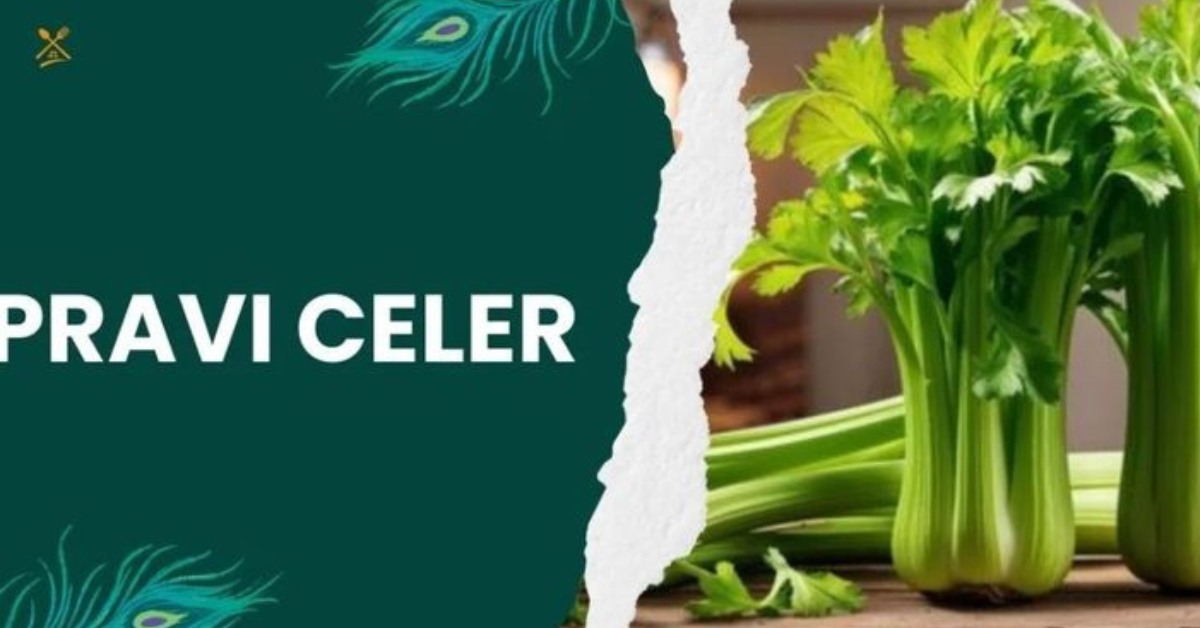
From a botanical perspective, celery belongs to the Apiaceae family, which also includes parsley, coriander, and fennel. The plant is recognizable by its bright green stalks, deeply serrated leaves, and distinctive aromatic scent. Unlike milder supermarket celery bred mainly for crunch, traditional varieties emphasize fragrance and taste. The leaves are especially valued, offering a peppery, earthy note that enhances soups, stews, and salads. Understanding these characteristics helps consumers appreciate why traditional celery is often preferred by chefs and herbalists.
Nutritional Profile and Key Compounds
One of the main reasons celery is considered a superfood is its impressive nutritional profile. It is low in calories yet rich in essential vitamins such as vitamin K, vitamin C, and several B vitamins. Minerals like potassium, calcium, and magnesium support normal body functions, while antioxidants help combat oxidative stress. Celery also contains natural compounds such as flavonoids and phthalides, which are associated with heart health and anti-inflammatory effects. This balance of nutrients makes it suitable for daily consumption in a health-conscious diet.
Health Benefits Supported by Research
Regular inclusion of celery in meals may offer multiple health benefits. Its high water content supports hydration, while dietary fiber aids digestion and promotes gut health. Studies suggest that celery compounds may help regulate blood pressure and support cardiovascular wellness. Traditionally, it has also been used to ease joint discomfort and support liver function. While it is not a cure-all, incorporating celery into a balanced diet can contribute positively to overall well-being when combined with healthy lifestyle habits.
Also Read: ntdtvjp/
Culinary Uses and Flavor Applications
In the kitchen, celery is remarkably versatile. The stalks add crunch and freshness to salads, while the leaves bring depth to broths, sauces, and stir-fries. In many European cuisines, celery leaves are treated like an herb and sprinkled over finished dishes for added aroma. The root variety is often roasted, mashed, or used in hearty winter soups. Because of its bold flavor, a small amount goes a long way, making it a favorite ingredient for cooks who value natural taste without artificial additives.
Role in Traditional and Folk Medicine
For centuries, pravi celer has held a respected place in traditional medicine. Herbal practitioners historically recommended it for calming the nerves, improving sleep, and supporting kidney function. Infusions made from the seeds or leaves were commonly used to address minor digestive issues. While modern medicine relies on scientific validation, these long-standing practices highlight the plant’s perceived therapeutic value and explain its continued popularity among natural health enthusiasts.
Modern Lifestyle, Wellness, and Culture
Today, pravi celer has found new relevance in modern wellness culture. It appears in detox drinks, green smoothies, and clean-eating recipes shared across lifestyle platforms. Beyond nutrition, it symbolizes a return to authentic, plant-based ingredients and mindful living. Many people now associate true celery with simplicity, sustainability, and respect for traditional food knowledge, aligning well with contemporary lifestyle trends focused on balance and quality.
Buying, Storing, and Using True Celery
When selecting pravi celer, look for firm stalks, vibrant leaves, and a fresh, aromatic smell. Avoid limp or yellowing parts, which indicate age. Proper storage is simple: keep it refrigerated in a breathable bag to maintain moisture without trapping excess humidity. Washing just before use helps preserve freshness. By handling it correctly, you can enjoy its flavor and nutrients for longer periods.
Frequently Asked Questions (FAQs)
1. Is Pravi Celer healthy for daily consumption?
Yes, pravi celer is low in calories and rich in vitamins, minerals, antioxidants, and fiber. When eaten as part of a balanced diet, it can support digestion, hydration, heart health, and overall wellness.
2. Can Pravi Celer help with digestion and gut health?
Pravi celer contains dietary fiber and natural compounds that may help improve digestion and support gut health. Traditionally, it has been used to ease mild digestive discomfort when consumed regularly in meals.
3. How can I use pravi celer in everyday cooking?
Pravi celer can be used in many ways. The stalks are great for salads and soups, the leaves work like herbs for added aroma, and the root can be roasted, mashed, or added to stews. Its strong flavor means small amounts can enhance dishes effectively.
4. Are celery leaves safe to eat?
Yes, celery leaves from Pravi Celer are safe and nutritious. In fact, they are often more flavorful than the stalks and are commonly used in traditional cooking for soups, broths, and seasoning.
5. How should Pravi Celer be stored to keep it fresh?
To keep Pravi Celer fresh, store it in the refrigerator in a breathable bag. Avoid washing it until just before use, as excess moisture can reduce its shelf life. Proper storage helps preserve both flavor and nutrients.
Conclusion
In summary, pravi celer represents more than just a vegetable; it is a link between history, health, and modern living. With its rich nutritional content, distinctive flavor, and wide range of uses, true celery deserves a place in both traditional and contemporary diets. Whether you are exploring natural wellness, improving your cooking, or simply seeking wholesome ingredients, understanding and using true celery can be a small yet meaningful step toward a healthier lifestyle.
Also Read:
- Zavalio.com: Complete Guide to the Multi-Niche Content Platform in 2026
- Fontlu: The Complete Guide to Smart Font Management, Customization, and Creative Typography (2026)
- Lufanest: The Complete Guide to the Internet-Created Digital Term in 2026
- OncePik: The Complete Guide to Smart Picks in Tech, Lifestyle, Trends, and Home Improvement
- MMSBRE: The Complete Guide to Multi-Media Streaming and Broadcast Relay Environment in 2026