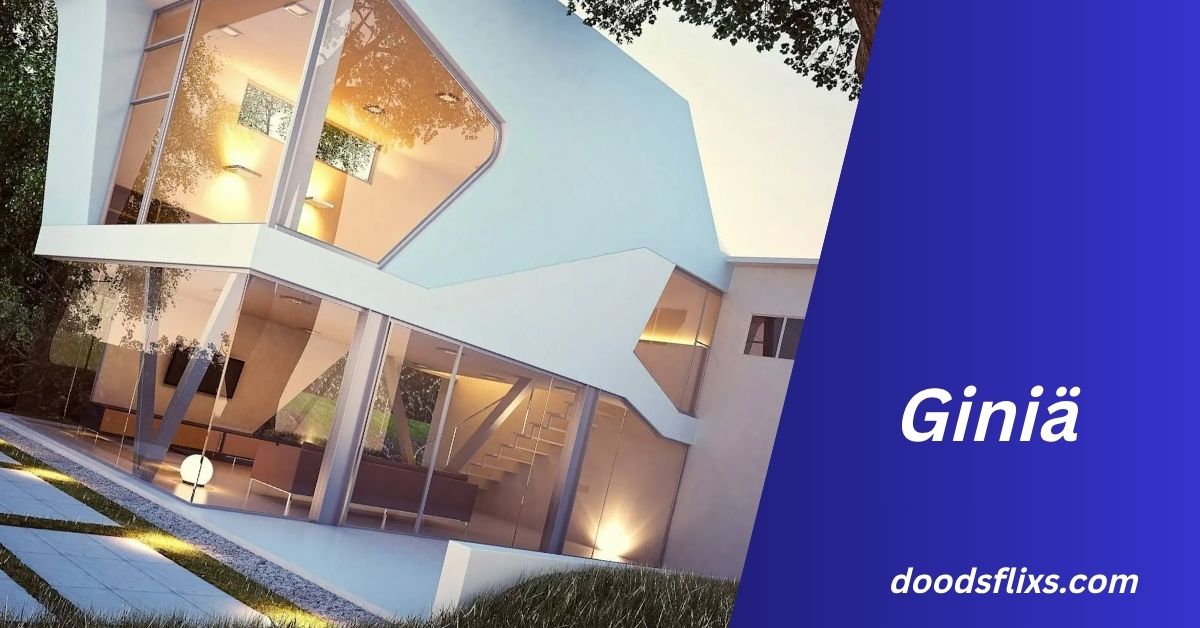
Giniä: The Design-First Smart Living for Modern Homes
Smart homes are no longer a luxury reserved for technology enthusiasts. Today, they have become part of everyday living, helping homeowners create safer, more comfortable, and more efficient spaces. However, many smart home systems focus heavily on technology while overlooking one important element—design. This is where giniä stands apart.
Instead of filling a home with complicated gadgets that require constant attention, giniä takes a design-first approach. Every smart feature is created to blend naturally into your home while making daily life easier. The goal is simple: technology should work quietly in the background, allowing people to enjoy their homes instead of managing them.
Whether you are building a new house, renovating your current property, or simply exploring modern smart home solutions, understanding how giniä works can help you make better decisions. This guide explains everything you need to know, including its philosophy, technology, benefits, practical applications, future potential, and expert insights.
What Is Giniä?
Giniä is a modern smart living concept that combines intelligent home automation with thoughtful interior design. Rather than focusing only on devices, it creates an entire ecosystem where lighting, climate control, security, entertainment, voice assistants, and automated routines work together seamlessly.
The biggest difference is that technology is designed to become almost invisible. Instead of dominating your living space, smart features support your lifestyle without creating clutter or unnecessary complexity.
A home powered by giniä automatically adapts to your daily routine. Lights brighten when you wake up, indoor temperatures remain comfortable throughout the day, doors lock automatically at night, and entertainment systems respond with simple voice commands.
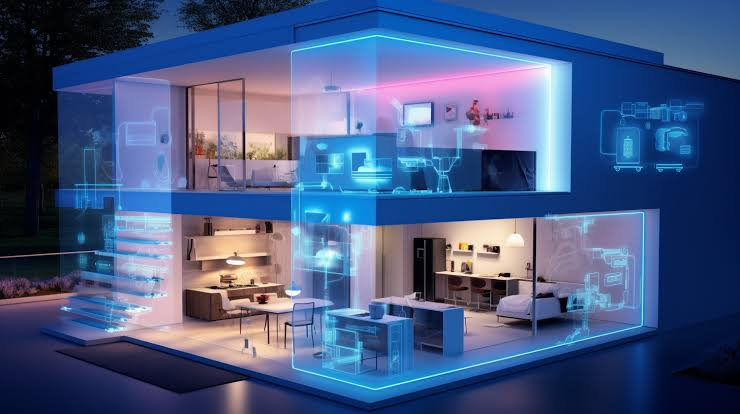
Everything works together as one connected experience.
The Philosophy Behind Giniä
Technology should improve life without demanding constant attention.
That simple idea is the foundation of giniä.
Many smart homes require users to manage dozens of separate apps, settings, and devices. This often creates frustration instead of convenience.
Giniä approaches smart living differently by focusing on five core principles:
Beautiful Design
Technology should enhance the appearance of a home rather than distract from it.
Devices are selected and positioned to complement modern architecture and interior design.
Simple Experiences
Homeowners should not need technical knowledge to operate their homes.
Daily tasks should happen naturally with minimal interaction.
Intelligent Automation
Instead of waiting for commands, the system learns routines and automates common activities.
Personal Comfort
Every family has different preferences.
Giniä allows personalized settings for lighting, temperature, entertainment, privacy, and security.
Long-Term Flexibility
Technology changes rapidly.
A well-designed smart home should be able to evolve without replacing the entire system.
Why Design Matters in Smart Living
Many homeowners purchase smart devices one at a time.
Eventually they end up with:
- Multiple mobile apps
- Different voice assistants
- Several remote controls
- Confusing automation rules
- Devices that do not communicate well
Giniä avoids this problem by designing the complete experience from the beginning.
Instead of asking:
“What smart device should I buy?”
It asks:
“How should your home feel?”
This small change creates a much better living experience.
Technology becomes part of everyday life instead of becoming another project to manage.
How Giniä Works
A giniä smart home connects different technologies into one intelligent platform.
These technologies typically include:
- Smart lighting
- Automated climate control
- Security systems
- Smart locks
- Voice assistants
- Window shades
- Entertainment systems
- Motion sensors
- Occupancy sensors
- Mobile applications
- Smart switches
- Energy monitoring
- Scene automation
Rather than operating separately, every component shares information.
For example:
When you leave home:
- Lights turn off.
- Doors lock.
- Security activates.
- Thermostat switches to energy-saving mode.
- Blinds close automatically.
When you return:
- Security disarms.
- Hallway lights activate.
- Indoor temperature adjusts.
- Favorite music begins playing.
- Garage opens automatically.
All of this can happen without touching a single switch.
Core Features of Giniä
Smart Lighting
Lighting is one of the most noticeable parts of a smart home.
Giniä uses intelligent lighting to improve both function and atmosphere.
Features include:
- Automatic brightness adjustment
- Motion-triggered lighting
- Sunset and sunrise scheduling
- Vacation lighting simulation
- Mood scenes
- Reading mode
- Dinner mode
- Movie mode
- Night lighting
- Energy-saving schedules
Instead of manually controlling every room, lighting adapts naturally throughout the day.
Intelligent Climate Control
Comfort depends greatly on indoor temperature.
Giniä makes climate management effortless.
The system can automatically:
- Learn preferred temperatures
- Reduce heating when nobody is home
- Increase cooling before residents return
- Monitor humidity
- Improve indoor comfort
- Reduce unnecessary energy use
Rather than running continuously, heating and cooling operate only when needed.
This improves both comfort and efficiency.
Advanced Home Security
Security remains one of the strongest reasons people invest in smart homes.
A giniä system may include:
- Smart door locks
- Security cameras
- Motion detection
- Window sensors
- Glass-break sensors
- Video doorbells
- Mobile alerts
- Emergency notifications
- Remote monitoring
Everything can be monitored from a smartphone regardless of location.
If unusual activity occurs, homeowners receive immediate notifications.
Voice Control Integration
Modern homeowners increasingly prefer voice interaction.
Instead of opening an app, users simply speak.
Examples include:
“Turn off all lights.”
“Lock the front door.”
“Good morning.”
“Movie time.”
One simple phrase can trigger multiple automated actions simultaneously.
This creates a more natural experience throughout the home.
Smart Home Routines
Automation becomes even more valuable when multiple actions occur together.
Common routines include:
Morning Routine
- Bedroom lights gradually brighten.
- Coffee maker starts.
- Thermostat adjusts.
- Bathroom lights activate.
- Morning news begins playing.
Leaving Home
- Lights switch off.
- Doors lock.
- Security arms.
- HVAC enters eco mode.
- Garage closes.
Returning Home
- Entry lights activate.
- Temperature adjusts.
- Favorite playlist starts.
- Security disarms.
- Window shades open.
Good Night
- All downstairs lights turn off.
- Doors lock.
- Cameras activate.
- Bedroom temperature adjusts.
- Outdoor lights switch on.
These routines eliminate repetitive daily tasks.
Entertainment Without Complexity
Entertainment systems often involve multiple remotes and confusing settings.
Giniä simplifies the experience by connecting:
- Smart TVs
- Home theaters
- Streaming devices
- Music systems
- Wireless speakers
- Multi-room audio
One command can prepare the entire entertainment environment.
For example:
“Movie Night.”
The system automatically:
- Dims lights
- Lowers shades
- Turns on television
- Starts surround sound
- Sets comfortable room temperature
Everything happens in seconds.
Energy Efficiency
Energy efficiency is becoming increasingly important for homeowners.
Smart automation helps reduce unnecessary electricity usage.
Examples include:
- Turning lights off in empty rooms
- Adjusting heating schedules
- Monitoring appliance usage
- Managing standby power
- Using natural daylight effectively
Small improvements throughout the day can significantly reduce annual utility costs.
In addition to saving money, efficient energy management supports a more sustainable lifestyle.
Personalized Living Experiences
No two households are alike.
A family with young children has different needs than a retired couple or a professional working from home.
Giniä supports personalized automation for each household.
For example:
A work-from-home user may prioritize:
- Quiet office lighting
- Stable indoor temperatures
- Automated meeting mode
- Reduced distractions
Families may prioritize:
- Child-safe security
- Night lighting
- Door notifications
- Homework lighting scenes
Luxury homeowners may focus on:
- Architectural lighting
- Landscape automation
- Whole-home audio
- Premium entertainment systems
This flexibility allows the system to match different lifestyles rather than forcing everyone to use identical settings.
Easy Control from Anywhere
One of the greatest advantages of modern smart living is remote access.
Whether you’re at work, on vacation, or simply away from home for a few hours, Giniä lets you stay connected to your property through a secure mobile interface.
From your smartphone or tablet, you can:
- Check whether doors are locked
- View live security camera feeds
- Turn lights on or off
- Adjust indoor temperature
- Receive real-time alerts
- Create or edit automation routines
- Control entertainment systems
- Monitor energy usage
Remote control offers both convenience and peace of mind. If you forget to turn off the lights before leaving or want the house comfortable before arriving home, everything can be managed with just a few taps.
Installation and Setup Process
One of the biggest strengths of giniä is that it can be planned around the home rather than added as an afterthought. While some smart devices are easy enough for homeowners to install, a complete design-first smart living system often benefits from professional planning. This helps ensure that every device works together smoothly and that the technology remains easy to use for years to come.
A typical installation process includes several stages.
Understanding the Homeowner’s Needs
Every smart home begins with a conversation. Instead of selecting devices first, the planning process focuses on how the homeowner lives.
Questions may include:
- What time do you usually wake up?
- Do you work from home?
- How many people live in the house?
- Do you travel frequently?
- Which rooms are used the most?
- What level of security do you want?
- Which devices do you already own?
The answers help create automation that feels natural instead of complicated.
Designing the Smart Home
After understanding the homeowner’s lifestyle, designers create a complete automation plan.
This may include:
- Lighting layouts
- Climate zones
- Security coverage
- Audio distribution
- Network infrastructure
- Voice assistant placement
- Smart switch locations
Because giniä follows a design-first philosophy, technology is carefully integrated without affecting the beauty of the home.
Installing the Devices
Depending on the project, installation may involve:
- Smart light switches
- Motion sensors
- Door and window sensors
- Smart thermostats
- Security cameras
- Smart locks
- Speakers
- Control panels
- Networking equipment
Professional installation helps reduce future problems while keeping the system organized.
Programming Smart Routines
Once the hardware is installed, the system is programmed to match the homeowner’s daily habits.
Examples include:
- Morning wake-up routines
- Evening relaxation scenes
- Vacation mode
- Guest mode
- Holiday lighting schedules
- Automatic energy-saving settings
The goal is to make the technology almost invisible in everyday life.
Compatibility with Modern Smart Devices
A smart home should not lock homeowners into one brand forever. Flexibility is one of the reasons the giniä approach is attractive.
Depending on the chosen ecosystem, compatibility may include many popular categories of smart devices, such as:
- Smart speakers
- Smart displays
- Wi-Fi lighting systems
- Smart thermostats
- Smart locks
- Video doorbells
- Smart blinds
- Smart plugs
- Robot vacuums
- Irrigation controllers
- Air quality sensors
- Garage door controllers
- Multi-room speakers
This flexibility allows homeowners to upgrade gradually without replacing an entire smart home setup.
Who Can Benefit from Giniä?
Although many people associate smart homes with luxury properties, giniä can benefit a wide range of homeowners.
Families
Busy families often have packed schedules. Smart routines simplify daily tasks by automating lighting, security, and climate control.
Parents can receive notifications when children arrive home, monitor entry points, and ensure doors are locked at bedtime.
Working Professionals
Remote workers spend more time at home than ever before.
Automated lighting, comfortable temperatures, and distraction-free environments help improve productivity while reducing the effort required to manage the home.
Older Adults
Automation can improve safety and independence.
Helpful features include:
- Automatic lighting
- Voice-controlled devices
- Smart locks
- Emergency alerts
- Motion detection
- Remote monitoring by family members
These features can make everyday living easier while providing additional peace of mind.
Luxury Homeowners
For larger homes, managing multiple systems manually can become overwhelming.
A unified smart living platform simplifies control over:
- Indoor lighting
- Outdoor lighting
- Pools
- Home theaters
- Security
- Climate zones
- Landscape lighting
- Motorized shades
Everything can be managed from one interface instead of several separate applications.
The Role of Artificial Intelligence in Giniä
Artificial intelligence is changing the future of smart homes, and giniä is well positioned to take advantage of these advancements.
Rather than waiting for manual commands, AI-powered automation can learn patterns over time.
For example, the system may recognize that:
- You usually wake up at 6:30 a.m.
- You lower the thermostat every night.
- You prefer warm lighting in the evening.
- You often leave for work at 8:00 a.m.
- You watch television after dinner.
Instead of asking for commands every day, the system gradually automates these preferences while still allowing manual control whenever needed.
As AI technology improves, homes will become even more responsive to individual lifestyles.
Privacy and Data Security
Smart homes collect information to deliver personalized experiences, making privacy an important consideration.
A well-designed giniä system should follow best practices such as:
- Strong password protection
- Multi-factor authentication
- Encrypted communication
- Regular software updates
- Secure cloud services
- Local control when available
- Permission-based user access
Homeowners should also:
- Update firmware regularly.
- Avoid weak passwords.
- Secure their Wi-Fi network.
- Review connected devices periodically.
- Remove devices that are no longer used.
A secure smart home begins with responsible digital habits.
Common Challenges and How to Overcome Them
Even well-designed smart homes can face occasional challenges. Understanding these issues helps homeowners avoid frustration.
Weak Wi-Fi Coverage
Many smart devices rely on a stable internet connection.
Solution:
Invest in a high-quality mesh Wi-Fi system to provide strong coverage throughout the home.
Too Many Apps
Using separate apps for every device creates confusion.
Solution:
Choose platforms that allow centralized control whenever possible.
Over-Automation
Automating every small task can make the home feel unpredictable.
Solution:
Focus on routines that genuinely improve convenience rather than automating everything.
Ignoring Software Updates
Outdated software may reduce performance and increase security risks.
Solution:
Enable automatic updates whenever they are available.
Poor Planning
Buying devices without a long-term strategy often leads to compatibility issues.
Solution:
Start with a clear plan based on your lifestyle and future needs.
Expert Insights on the Future of Design-First Smart Living
The smart home industry is shifting away from simply adding more gadgets. The future is about creating experiences that feel effortless and intuitive.
Design-first concepts like giniä are expected to become more important as homeowners seek solutions that combine technology, aesthetics, and sustainability.
Several trends are likely to shape the future:
- AI-driven personalization
- Better interoperability between devices
- Improved energy optimization
- Stronger cybersecurity features
- Greater use of sustainable materials
- Predictive maintenance for home systems
- More natural voice interactions
- Enhanced accessibility for all ages
Homes will increasingly anticipate needs instead of waiting for commands, making everyday living smoother and more efficient.
Common Mistakes to Avoid When Building a Smart Home
Many homeowners make avoidable mistakes during their smart home journey. Keeping these points in mind can save time, money, and frustration.
- Buying devices without checking compatibility
- Ignoring the quality of the home network
- Choosing products based only on price
- Forgetting about future expansion
- Skipping security best practices
- Creating overly complex automation routines
- Neglecting regular maintenance and updates
- Failing to involve all household members in setup and training
A thoughtful, design-first approach helps create a smart home that remains useful and enjoyable over the long term.
Frequently Asked Questions About Giniä
Can Giniä work in an older home?
Yes. Many smart home technologies can be added to existing homes without major renovations. The level of integration depends on the home’s wiring, network infrastructure, and the devices selected.
Is Giniä only for expensive luxury homes?
No. While premium installations are possible, the design-first philosophy can also be applied to smaller homes, apartments, and townhouses. Homeowners can start with a few core features and expand over time.
Can I add new smart devices later?
In most cases, yes. A well-planned smart home should be designed with future expansion in mind, allowing additional compatible devices to be integrated as needs change.
Will Giniä still work if the internet goes down?
Some smart home functions may continue to operate locally, while others that rely on cloud services or remote access may be temporarily unavailable. The exact behavior depends on the technologies and platforms used.
Is Giniä suitable for rental properties?
Many wireless smart devices, such as smart plugs, bulbs, and portable sensors, can be installed without permanent modifications, making them suitable for many rental homes and apartments.
How often should a smart home system be updated?
It’s a good practice to install firmware and software updates whenever they become available. Regular updates improve performance, add new features, and strengthen security.
Can Giniä help reduce utility bills?
Yes. Intelligent lighting schedules, efficient climate control, occupancy sensing, and energy monitoring can reduce unnecessary electricity and heating or cooling usage, which may lower monthly utility costs.
What should I prioritize when starting a Giniä-inspired smart home?
Begin with the essentials that offer the greatest daily value, such as reliable networking, smart lighting, climate control, and home security. Once these foundations are in place, you can gradually add entertainment, automated shades, and advanced routines.
Conclusion
Giniä represents more than a collection of connected devices—it reflects a modern philosophy of living where technology quietly supports everyday life without overwhelming it. By placing design, comfort, and usability at the center of every decision, it transforms the traditional concept of a smart home into a seamless living experience.
From intelligent lighting and climate control to advanced security, voice interaction, and personalized automation, the giniä approach helps create homes that are not only more convenient but also more energy-efficient, secure, and enjoyable. Instead of managing technology, homeowners can focus on what truly matters: spending time with family, working productively, relaxing comfortably, and feeling confident that their home is responding to their needs.
As artificial intelligence, connectivity, and sustainable technologies continue to evolve, the principles behind giniä are likely to become even more relevant. Homes of the future will be defined not by the number of smart devices they contain, but by how naturally those devices work together to enhance everyday life.
For homeowners in the United States and around the world, adopting a design-first smart living strategy is a practical investment in comfort, efficiency, and long-term value. Whether you are building a new property or upgrading an existing one, embracing the ideas behind giniä can help create a home that feels intelligent, elegant, and ready for the future.