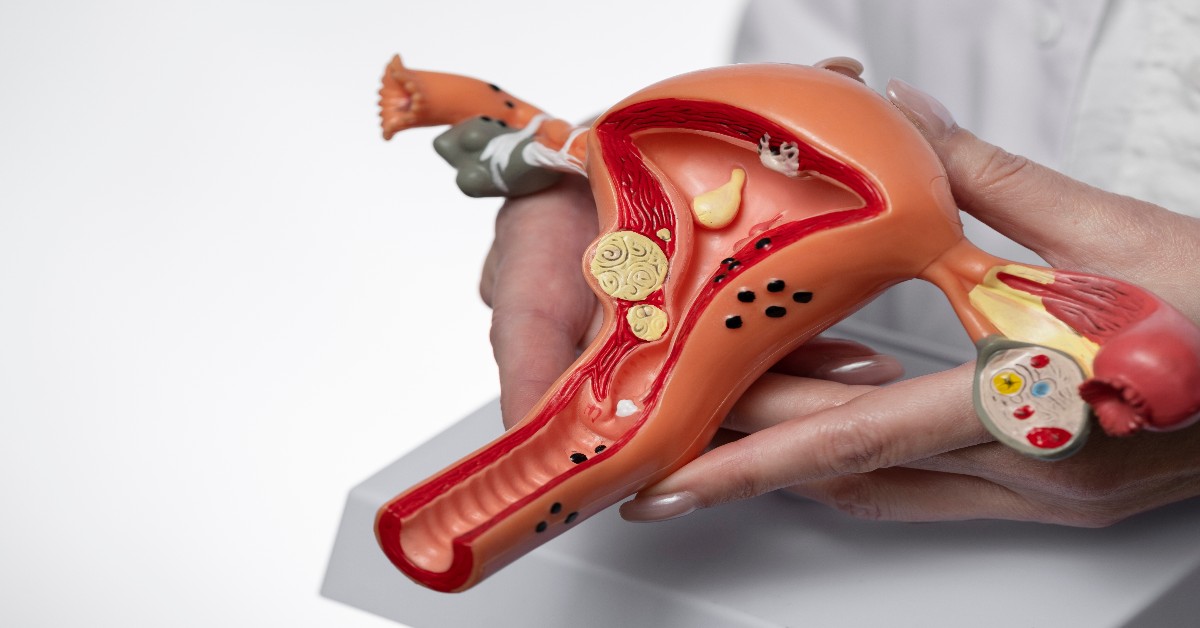
Gynecube: Innovative Solution for Women’s Health
Advancements in women’s healthcare have led to innovative tools that significantly improve diagnosis, comfort, and long-term outcomes for patients dealing with pelvic floor disorders. One such advancement is Gynecube, a medical solution designed to address complex gynecological conditions in a minimally invasive and patient-friendly way. As awareness grows around pelvic organ prolapse and urinary incontinence, modern devices are helping both clinicians and patients regain confidence and quality of life through safe, effective support systems.
Also Read: giants-quarterback-trade-options/
Understanding Pelvic Floor Disorders and Their Impact
Pelvic floor disorders affect millions of women worldwide, particularly after childbirth, menopause, or pelvic surgery. These conditions can cause discomfort, pressure, urinary leakage, and reduced mobility, often impacting emotional well-being as much as physical health. Devices like Gynecube are developed to provide non-surgical support, offering women an alternative when surgery is not immediately required or recommended.
What Is the Device and Why Does It Matter
At its core, gynecube is a cube-shaped vaginal pessary engineered to provide internal support to weakened pelvic structures. Unlike traditional ring pessaries, its geometric design creates gentle negative pressure that helps maintain proper positioning within the vaginal walls. This innovative structure ensures better retention, making it particularly effective for moderate to severe prolapse cases where other pessaries may fail.
How the Design Enhances Functionality
The effectiveness of Gynecube lies in its thoughtful design and medical-grade materials. Made from latex-free silicone, it is soft, flexible, and biocompatible, reducing the risk of irritation or allergic reactions. The cube shape allows even distribution of pressure, improving comfort while maintaining reliable support during daily activities such as walking, exercising, or standing for long periods.
Also Read: mygreenbucks-kenneth-jones/
Clinical Benefits for Patients and Physicians
From a clinical perspective, Gynecube supports accurate assessment and conservative management of pelvic conditions. Physicians can evaluate symptom improvement without committing patients to invasive procedures. For patients, the benefits include symptom relief, improved bladder control, and enhanced mobility. This approach aligns with global healthcare guidelines that encourage non-surgical interventions whenever possible.
Common Indications and Use Cases
Healthcare providers often recommend Gynecube for women experiencing pelvic organ prolapse, uterine descent, or stress urinary incontinence. It is also suitable for patients awaiting surgery or those who cannot undergo surgical treatment due to medical reasons. Its versatility allows it to be used across different age groups, offering a personalized solution based on individual anatomical needs.
Materials, Sizes, and Safety Standards
Manufacturers of gynecube adhere to strict medical device regulations, ensuring safety and durability. Available in multiple sizes, it allows clinicians to select the most appropriate fit for each patient. The medical-grade silicone used is easy to clean and resistant to bacterial buildup, supporting long-term hygiene and comfort when used as directed by a healthcare professional.
Proper Fitting, Maintenance, and Patient Education
Correct fitting is essential for optimal results with Gynecube. A trained clinician should determine the appropriate size and guide insertion, removal, and cleaning. Regular follow-ups help ensure continued comfort and effectiveness. Patient education plays a crucial role, empowering women to manage their condition confidently and independently when appropriate.
Comparison With Traditional Pessaries and Surgical Options
When compared to conventional pessaries, Gynecube offers superior retention and stability, particularly in advanced prolapse cases. While surgery remains an option for some patients, non-invasive devices provide a lower-risk alternative with fewer complications and shorter recovery times. This makes conservative management an attractive first-line approach in many clinical scenarios.
How Gynecube Supports Daily Life and Comfort
One of the key advantages of gynecube is its ability to improve daily life for women experiencing pelvic floor disorders. Many patients report increased confidence during routine activities such as exercising, walking, or even performing household chores. Unlike some traditional devices that may slip or cause discomfort, the cube-shaped design ensures stable support without restricting movement, making it a practical and reliable solution for long-term use.
Patient Feedback and Success Stories
Feedback from users has been overwhelmingly positive, with many noting significant improvements in symptom relief and quality of life. Patients often highlight the device’s comfort, ease of insertion, and effectiveness in reducing pressure or discomfort associated with prolapse. These testimonials reinforce the clinical data, showing that non-surgical options can make a real difference in women’s day-to-day health management.
Future Developments and Innovations
The landscape of gynecological care continues to evolve, with these types of devices leading the way in innovation. Researchers and manufacturers are exploring enhancements such as improved materials, adjustable sizing, and integrated monitoring tools to further personalize care. As technology advances, solutions may not only provide support but also help track patient progress, offering a more proactive approach to women’s pelvic health.
Professional Recommendations and Expert Insights
Healthcare professionals increasingly recommend these devices as part of a comprehensive approach to managing pelvic floor disorders. Gynecologists and pelvic health specialists emphasize that they are most effective when combined with lifestyle adjustments, pelvic floor exercises, and regular medical check-ups. By integrating these tools into a patient’s care plan, clinicians can offer a non-invasive, practical solution that enhances both physical comfort and overall well-being, making them a trusted option in modern women’s health care.
Frequently Asked Questions
1. What conditions can this device help manage?
It is commonly used to support pelvic organ prolapse, uterine descent, and certain types of urinary incontinence.It is commonly used to support pelvic organ prolapse, uterine descent, and certain types of urinary incontinence.
2. Is it safe for long-term use?
Yes, when fitted correctly and maintained according to medical advice, it is considered safe for extended use.
3. Can it replace surgery completely?
For many patients, it provides sufficient relief without surgery, though some cases may still require surgical intervention.
4. How often should it be cleaned or replaced?
Cleaning schedules vary, but regular hygiene and periodic clinical reviews are recommended for safety and comfort.
5. Who should decide if this solution is right for me?
A qualified gynecologist or pelvic health specialist should evaluate your condition and recommend the most suitable treatment option.
Conclusion: A Step Forward in Women’s Health
The evolution of gynecological devices reflects a broader shift toward patient-centered care, comfort, and safety. Gynecube represents this progress by offering an effective, non-surgical solution for managing pelvic floor disorders. By combining innovative design, medical-grade materials, and clinical versatility, it empowers women to regain control over their health while supporting clinicians in delivering evidence-based care.
Also Read:
- What Is a Sedentary Lifestyle – Complete Guide!
- Home Health Aide – A Complete Guide to Roles, Benefits, and Career Opportunities!
- Why Is Health Insurance Important to Employees!
- Healthy Lifestyle to Lose Weight – A Simple and Sustainable Guide!
- Gainesville Health and Fitness – A Complete Guide to One of Florida’s Top Fitness Centers!