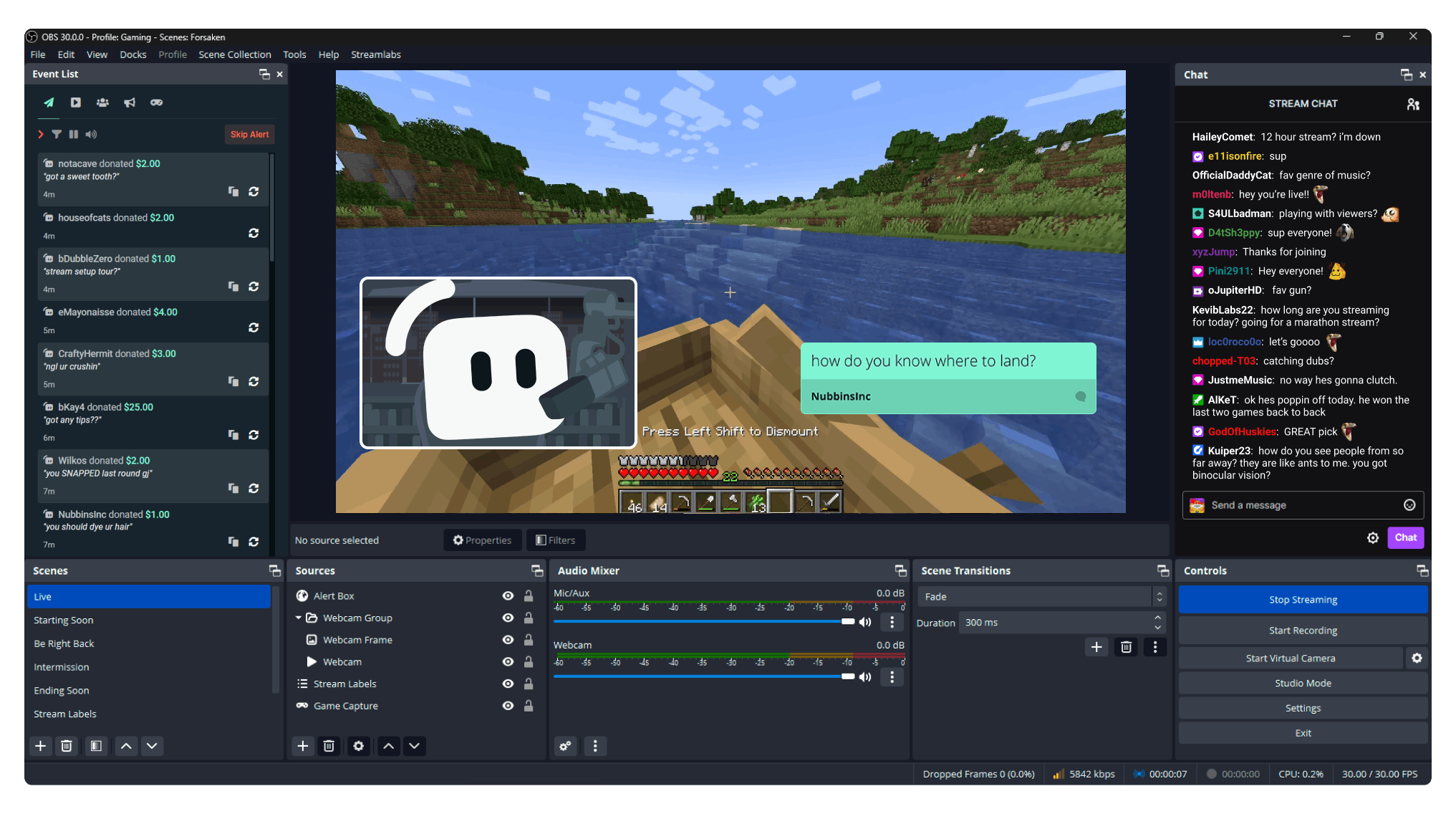
Stream Software – Live Streaming Tools and Platforms!
Stream software has become an essential tool in today’s digital world. From gamers and content creators to businesses and educators, people rely on stream software to broadcast live video to online audiences. Whether it’s a live gaming session, a virtual event, or a business webinar, stream software makes real-time communication possible across the globe.
As live streaming continues to grow in popularity, understanding how stream software works and how to choose the right one is more important than ever.
What Is Stream Software?
Stream software is a type of application that allows users to capture video and audio from a camera, microphone, or screen and broadcast it live over the internet. It acts as a bridge between the content creator and the streaming platform, such as social media networks, video-sharing sites, or private servers.
Stream software helps manage video sources, overlays, audio levels, transitions, and live interactions, creating a professional-quality broadcast.
How Stream Software Works?
Stream software captures video from devices like webcams, cameras, or screen displays. It processes this content, applies settings such as resolution and bitrate, and sends the stream to a hosting platform using an internet connection.
Most stream software supports popular streaming services and allows users to go live with just a few clicks. Advanced tools offer customization options, analytics, and audience interaction features.
Why Stream Software Is Important?
Stream software gives users full control over their live broadcasts. Without it, streams would be limited in quality and functionality. With stream software, creators can:
- Add graphics and text overlays
- Switch between multiple video sources
- Improve audio quality
- Record streams for later use
- Engage with live viewers
This control makes streams more engaging and professional.
Common Uses of Stream Software:
Gaming and Entertainment
Gamers use stream software to broadcast gameplay on platforms like live video-sharing sites. Features such as screen capture, webcam overlays, and live chat integration are essential for gaming streams.
Business and Marketing
Companies use stream software for product launches, live events, and webinars. Live streaming helps businesses connect with customers in real time and build brand trust.
Education and Online Learning
Educators use stream software to host live classes, workshops, and tutorials. Screen sharing and recording features support interactive learning.
Social Media Content Creation
Content creators use stream software to go live on social platforms, host Q&A sessions, and interact with followers directly.
Key Features of Stream Software:
Video and Audio Control
Good stream software allows users to control video resolution, frame rate, and audio levels. Clear visuals and sound are essential for a quality stream.
Multiple Input Sources
Most stream software supports multiple inputs, including webcams, external cameras, microphones, screen capture, and media files.
Overlays and Branding
Overlays such as logos, banners, and alerts help customize streams and strengthen branding.
Scene Switching
Scene switching allows streamers to move between layouts smoothly, such as switching from a full-screen presentation to a camera view.
Recording Options
Many stream software tools allow recording streams locally for later editing or uploading.
Types of Stream Software:
Free Stream Software
Free stream software is ideal for beginners. It offers basic features such as screen capture, webcam support, and live streaming to popular platforms.
Paid Stream Software
Paid stream software provides advanced tools, better performance, customer support, and more customization options. These are often preferred by professional streamers and businesses.
Cloud-Based Stream Software
Cloud-based solutions run in a browser and do not require installation. They are convenient but may have limited features compared to desktop software.
Choosing the Right Stream Software:
When choosing stream software, consider the following factors:
- Skill level
- Streaming goals
- Supported platforms
- System requirements
- Budget
Beginners should look for user-friendly interfaces, while advanced users may need powerful customization options.
Stream Software and System Requirements:
Stream software can be demanding on hardware. A strong computer with a good processor, enough RAM, and a stable internet connection ensures smooth streaming.
Using hardware acceleration and adjusting settings can help reduce system strain.
Stream Software for Different Platforms:
Most stream software supports multiple platforms, allowing users to stream to one or several destinations at once. This is useful for reaching larger audiences across different networks.
Some tools offer built-in integrations, while others require stream keys for setup.
Security and Privacy in Stream Software:
Security is important when using stream software. Trusted software offers secure connections, account protection, and privacy controls. Users should avoid unofficial tools that may compromise data.
Trends in Stream Software:
Stream software continues to evolve with new features such as:
- AI-powered noise reduction
- Automatic scene switching
- Enhanced analytics
- Real-time viewer interaction tools
These advancements make live streaming more accessible and professional.
Benefits of Using Stream Software:
Stream software offers many advantages:
- Professional-quality broadcasts
- Real-time audience engagement
- Flexibility across platforms
- Cost-effective communication
- Content reuse through recordings
These benefits make it valuable for both individuals and organizations.
Challenges of Stream Software:
Despite its benefits, stream software has challenges:
- Learning curve for beginners
- Hardware and internet requirements
- Occasional technical issues
With practice and proper setup, most users overcome these challenges easily.
The Future of Stream Software:
The future of stream software looks promising. As live content demand grows, stream software will become more user-friendly and powerful. Integration with virtual reality, interactive tools, and improved automation will shape the next generation of live streaming.
FAQ’s:
1. What is stream software used for?
Stream software is used to broadcast live video and audio over the internet for gaming, business events, online classes, webinars, and social media streaming.
2. Do I need stream software to go live?
Yes, stream software is needed if you want control over video quality, audio, overlays, and multiple sources when live streaming.
3. Is stream software free or paid?
Stream software can be free or paid. Free versions are great for beginners, while paid versions offer advanced features and professional tools.
4. What devices support stream software?
Stream software works on desktops, laptops, and sometimes mobile devices, depending on the platform and system requirements.
5. Is stream software safe to use?
Yes, stream software is safe when downloaded from official and trusted sources. Avoid unofficial versions to protect your data and system.
Conclusion:
Stream software is a powerful tool that enables real-time communication and content sharing. Whether for gaming, education, business, or entertainment, stream software provides the features needed to create high-quality live broadcasts.