Antarvacna: The Complete Guide to Inner Awareness, Non-Attachment, and Peaceful Living
In today’s fast-moving world, people are constantly searching for ways to reduce stress, improve emotional well-being, and find deeper meaning in life. While modern psychology offers many practical techniques, ancient Eastern philosophy has long provided timeless wisdom that continues to inspire millions. One such concept is antarvacna.
Antarvacna is a profound philosophical idea centered on inner awareness, self-reflection, emotional balance, and non-attachment. Although the term is not widely known in Western culture, its underlying principles are closely connected with mindfulness, meditation, spiritual growth, and conscious living.
Rather than encouraging people to avoid responsibilities or emotions, antarvacna teaches individuals to observe thoughts without becoming controlled by them. It promotes a healthier relationship with success, failure, possessions, relationships, and personal identity.
As more Americans explore mindfulness, meditation, emotional intelligence, and mental wellness, the principles of antarvacna have become increasingly relevant. Whether someone is looking to reduce anxiety, improve relationships, strengthen emotional resilience, or develop greater self-awareness, this philosophy offers practical lessons that fit modern life.
This comprehensive guide explains everything about antarvacna, including its meaning, origins, philosophy, benefits, daily applications, misconceptions, relationship with modern psychology, and practical techniques for beginners.
What Is Antarvacna?
Antarvacna is an Eastern philosophical concept that emphasizes looking inward to understand one’s thoughts, emotions, desires, and attachments. Instead of seeking constant satisfaction through external achievements or material possessions, antarvacna encourages people to discover peace through self-awareness and balanced living.
At its core, antarvacna teaches that suffering often comes not from life itself but from excessive attachment to expectations, outcomes, possessions, identities, or emotions.
This does not mean abandoning goals or relationships. Instead, it means learning how to participate fully in life without allowing external circumstances to control inner peace.
In simple words, antarvacna can be understood as:
- Developing deep self-awareness
- Practicing emotional balance
- Accepting change as a natural part of life
- Letting go of unnecessary attachments
- Living with mindfulness
- Finding peace within rather than outside
These ideas make antarvacna highly relevant in today’s stressful and fast-changing world.
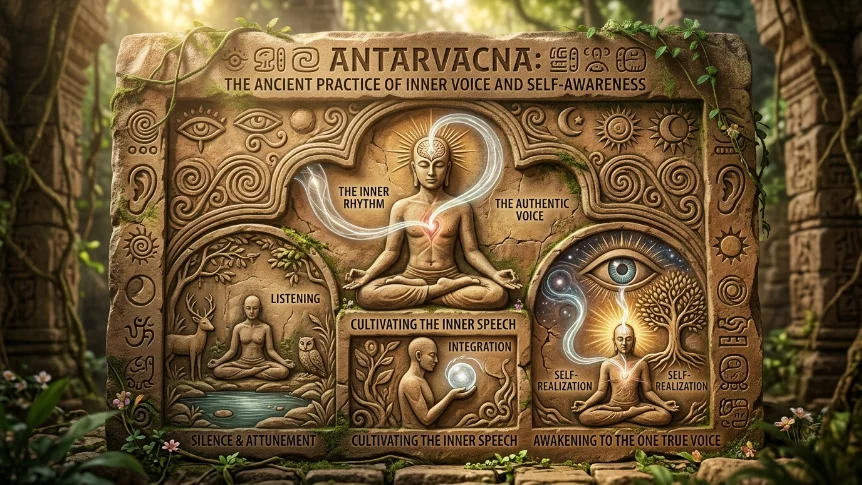
The Origins of Antarvacna
The philosophy behind antarvacna has deep roots in ancient Eastern wisdom traditions. While different cultures may express these ideas differently, many share common themes involving self-realization, mindfulness, compassion, and non-attachment.
Historically, Eastern philosophers recognized that human suffering often comes from craving permanence in an impermanent world. Wealth changes, relationships evolve, careers shift, health fluctuates, and circumstances never remain exactly the same.
Ancient teachers encouraged students to observe this reality rather than resist it. By accepting change instead of fighting it, individuals could experience greater peace and emotional freedom.
Although the specific word antarvacna may not appear widely in historical texts, the philosophy aligns closely with long-standing teachings found across various Eastern traditions that emphasize:
Also Read:Coomer.st: Complete Guide to Features, Privacy, Safety, and Legal Concerns (2026)
Self-observation
Understanding one’s inner world before attempting to change the outer world.
Non-attachment
Enjoying life’s experiences without becoming emotionally dependent on them.
Mindful awareness
Living fully in the present moment instead of becoming trapped by regret or anxiety.
Inner peace
Recognizing that lasting happiness develops from within rather than from external success alone.
The Meaning Behind Antarvacna
The deeper meaning of antarvacna extends beyond simple meditation or relaxation.
It represents a lifelong journey toward understanding the mind.
People often spend years improving careers, finances, education, and physical health. Antarvacna reminds us that inner development deserves equal attention.
The philosophy encourages questions such as:
- Why do certain situations upset me?
- What fears control my decisions?
- Am I attached to approval from others?
- What truly brings lasting happiness?
- How can I respond calmly instead of reacting emotionally?
By asking these questions honestly, individuals begin developing emotional maturity and greater wisdom.
Core Principles of Antarvacna
Several foundational principles define antarvacna.
Inner Awareness
Self-awareness is the beginning of personal transformation.
Instead of judging thoughts, antarvacna encourages observing them with curiosity.
When people understand how their minds operate, they become better equipped to make thoughtful decisions.
Non-Attachment
Non-attachment does not mean avoiding relationships or refusing success.
It means appreciating life’s experiences without believing they define personal worth.
For example:
- Enjoy success without becoming arrogant.
- Accept failure without losing confidence.
- Love people without trying to control them.
- Earn money without allowing wealth to determine happiness.
Acceptance
Life constantly changes.
Antarvacna teaches acceptance instead of resistance.
Acceptance is not giving up.
It means recognizing reality before choosing the best response.
Emotional Balance
Rather than suppressing emotions, antarvacna promotes understanding them.
People learn to experience joy, sadness, anger, and disappointment without allowing temporary emotions to permanently control behavior.
Mindful Living
Everyday activities become opportunities for awareness.
Eating, walking, working, listening, and even breathing become practices of mindfulness.
Why Antarvacna Matters Today
Modern society creates many distractions.
People constantly compare themselves on social media, chase unrealistic expectations, and experience information overload.
As a result, stress and emotional exhaustion have become increasingly common.
Antarvacna offers practical solutions by helping people:
- Slow down mentally
- Reduce emotional reactivity
- Improve concentration
- Strengthen relationships
- Develop healthier priorities
- Increase gratitude
- Find lasting fulfillment
These benefits explain why ancient wisdom continues to attract modern audiences.
Antarvacna and Non-Attachment
One of the most misunderstood aspects of antarvacna is non-attachment.
Some assume it means becoming emotionally cold or avoiding love.
This is incorrect.
Healthy non-attachment actually strengthens relationships because people stop expecting others to provide constant happiness.
Instead of controlling loved ones, individuals learn to appreciate them with greater compassion and respect.
Healthy attachment says:
“I appreciate you.”
Unhealthy attachment says:
“I cannot be happy without you.”
Antarvacna encourages the first mindset.
Antarvacna and Mindfulness
Mindfulness and antarvacna share many similarities.
Both encourage paying attention to the present moment.
However, antarvacna goes beyond simple awareness.
It also examines why the mind reacts the way it does.
Mindfulness notices anger.
Antarvacna explores the attachment creating that anger.
Together, these practices create powerful opportunities for emotional growth.
Antarvacna and Emotional Intelligence
Emotional intelligence involves understanding emotions in ourselves and others.
Antarvacna naturally develops this ability through regular self-reflection.
People become better at:
Recognizing emotions
Instead of ignoring feelings, they identify them clearly.
Managing reactions
They respond thoughtfully instead of reacting impulsively.
Understanding others
Greater self-awareness often increases empathy.
Building healthier relationships
Calm communication replaces emotional conflict.
Psychological Benefits of Antarvacna
Modern psychology increasingly supports practices that resemble many antarvacna principles.
Regular self-awareness exercises may contribute to:
- Lower stress levels
- Better emotional regulation
- Reduced anxiety
- Improved focus
- Greater resilience
- Increased self-confidence
- Better decision-making
- Higher life satisfaction
Although antarvacna itself is a philosophical practice rather than a medical treatment, many of its habits complement evidence-based mental wellness strategies.
Spiritual Benefits of Antarvacna
Many people explore antarvacna for spiritual development.
Its philosophy encourages individuals to move beyond ego-centered thinking.
Possible spiritual benefits include:
- Greater inner peace
- Increased gratitude
- Stronger compassion
- Humility
- Patience
- Deeper purpose
- Greater appreciation for life
These qualities often develop gradually through consistent practice.
Antarvacna in Daily Life
One reason antarvacna remains valuable is its practical nature.
It can be applied throughout everyday routines.
At Work
Instead of becoming overwhelmed by pressure, individuals focus on doing their best while accepting that not everything can be controlled.
In Relationships
People communicate more openly while reducing unrealistic expectations.
During Challenges
Rather than resisting difficult situations, they respond with patience and thoughtful action.
During Success
They celebrate achievements without allowing success to define identity.
Practical Ways to Practice Antarvacna
Learning antarvacna does not require joining a monastery or changing careers.
Small daily habits can make a meaningful difference.
Also Read:Foefox: The Complete Guide to Privacy, Features, Performance, Security, and Customization (2026)
Practice Daily Reflection
Spend five to ten minutes asking:
- What did I learn today?
- What triggered my emotions?
- What can I improve tomorrow?
Observe Your Thoughts
Instead of immediately believing every thought, simply notice it.
This creates emotional distance and greater clarity.
Practice Gratitude
Focus on what already exists instead of constantly pursuing more.
Accept Imperfection
Nobody makes perfect decisions every day.
Growth comes through learning rather than perfection.
Limit Unnecessary Comparison
Comparing life with others often creates dissatisfaction.
Focus on personal progress instead.
Develop Mindful Breathing
Slow breathing encourages calm attention and emotional stability.
Common Misconceptions About Antarvacna
Several myths prevent people from understanding antarvacna correctly.
Myth 1: Antarvacna Means Giving Up Everything
Reality:
It encourages balance, not withdrawal.
Myth 2: Antarvacna Rejects Success
Reality:
Success is welcomed, but personal worth should not depend on it.
Myth 3: Antarvacna Removes Emotion
Reality:
It teaches healthy emotional awareness rather than emotional suppression.
Myth 4: Antarvacna Is Only Religious
Reality:
Its principles can benefit people from many different cultural, spiritual, and personal backgrounds.
Antarvacna Compared With Modern Self-Help
Many self-help books encourage confidence, productivity, and goal achievement.
Antarvacna adds another important dimension.
Instead of asking:
“How can I achieve more?”
It also asks:
“Why do I want this?”
This deeper level of reflection often produces healthier motivation.
Antarvacna and Personal Growth
Personal growth becomes more sustainable when external success and internal development grow together.
Antarvacna encourages people to improve:
- Character
- Patience
- Discipline
- Compassion
- Integrity
- Wisdom
- Self-awareness
These qualities support lasting success rather than temporary achievement.
Antarvacna for Students
Students often experience academic pressure.
Applying antarvacna helps by encouraging:
- Better concentration
- Reduced exam anxiety
- Healthier study habits
- Acceptance of mistakes
- Continuous improvement
Instead of fearing failure, students learn from every experience.
Antarvacna for Professionals
Professionals face deadlines, competition, and changing industries.
Antarvacna helps professionals:
- Handle workplace stress
- Improve leadership
- Make balanced decisions
- Strengthen communication
- Reduce burnout
- Increase resilience
Antarvacna for Families
Families benefit when members practice emotional awareness.
Parents become more patient.
Children feel better understood.
Conflicts become opportunities for communication rather than arguments.
The philosophy encourages listening before reacting.
Antarvacna and Leadership
Great leaders often demonstrate qualities similar to antarvacna.
These include:
- Calm decision-making
- Emotional intelligence
- Ethical behavior
- Humility
- Long-term thinking
- Respect for others
Leadership based on awareness often creates healthier organizations.
Challenges When Practicing Antarvacna
Every meaningful practice requires patience.
Common challenges include:
- Busy schedules
- Constant digital distractions
- Emotional habits
- Unrealistic expectations
- Lack of consistency
Progress happens gradually.
Small daily improvements usually produce lasting results.
Simple Daily Antarvacna Routine
Beginners can start with this routine.
Morning:
Spend five minutes breathing quietly before checking your phone.
During the day:
Pause before reacting during stressful situations.
Evening:
Reflect on the day’s experiences without self-criticism.
Weekly:
Spend time in nature or quiet reflection.
Monthly:
Review personal goals and identify attachments that may be creating unnecessary stress.
The Future Relevance of Antarvacna
Interest in mindfulness, emotional wellness, and conscious living continues to grow worldwide.
As technology becomes more integrated into daily life, many people seek deeper balance.
Antarvacna offers timeless principles that remain valuable regardless of changing trends.
Future applications may include:
- Workplace wellness programs
- Leadership development
- Mental wellness education
- Personal coaching
- Mindfulness training
- Emotional intelligence programs
- Digital wellness initiatives
Its emphasis on awareness rather than external achievement makes it increasingly relevant in modern society.
Expert Perspective on Antarvacna
From a practical perspective, antarvacna should not be viewed as an escape from reality. Instead, it serves as a framework for engaging with life more consciously. The philosophy encourages people to remain fully involved in their careers, relationships, and communities while maintaining emotional stability during both success and hardship.
Also Read:Obligation Linéaire: Complete Guide to Fixed-Rate Bonds, Benefits, Risks, and Investing
One of the greatest strengths of antarvacna is its adaptability. Whether someone approaches it from a spiritual, philosophical, or psychological perspective, its principles can complement modern wellness practices without replacing professional medical or mental health care when needed. This balanced approach makes antarvacna meaningful for people from diverse backgrounds.
Conclusion
Antarvacna is far more than an ancient philosophical idea. It is a practical guide for living with greater awareness, balance, and purpose. By encouraging self-reflection, mindfulness, emotional intelligence, and non-attachment, it helps individuals build resilience in an increasingly demanding world.
Rather than teaching people to avoid life’s challenges, antarvacna shows how to face them with clarity and calm. Its timeless principles remind us that lasting peace does not come from controlling every external circumstance but from understanding and strengthening our inner world.
Whether you are beginning a mindfulness journey, searching for emotional balance, improving relationships, or simply looking for a healthier way to navigate modern life, the wisdom of antarvacna offers valuable lessons that remain as relevant today as they were centuries ago.
Frequently Asked Questions About Antarvacna
What does antarvacna mean?
Antarvacna is an Eastern philosophical concept focused on inner awareness, self-reflection, mindfulness, emotional balance, and non-attachment. It encourages people to develop peace from within rather than relying solely on external circumstances.
Is antarvacna connected to meditation?
Yes. Meditation is one practical way to cultivate the awareness promoted by antarvacna, but the philosophy also includes mindful living, self-reflection, and balanced decision-making throughout daily life.
Can beginners practice antarvacna?
Absolutely. Anyone can begin by practicing mindful breathing, observing thoughts without judgment, reflecting on daily experiences, and reducing unhealthy emotional attachments.
Does antarvacna require following a particular religion?
No. Although its roots are found in Eastern philosophy, the principles of antarvacna can be practiced by people of any faith or by those with no religious affiliation.
How long does it take to experience the benefits of antarvacna?
Some people notice greater calm within a few weeks of consistent practice, while deeper emotional and personal growth usually develops gradually over months and years.
Can antarvacna improve mental well-being?
Antarvacna may support emotional well-being by encouraging mindfulness, self-awareness, and healthy emotional regulation. However, it is not a substitute for professional mental health treatment when medical care is needed.
Is antarvacna suitable for children and teenagers?
Yes. Age-appropriate practices such as gratitude, mindful breathing, emotional awareness, and reflective journaling can help young people develop resilience and emotional intelligence.