What Is a Sedentary Lifestyle – Complete Guide!
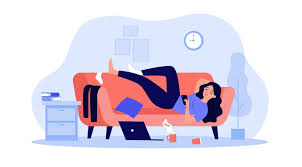
A sedentary lifestyle means living in a way that includes very little physical activity. People who follow a sedentary lifestyle spend most of their time sitting or lying down. They may sit while working, watching TV, using a mobile phone, playing video games, or traveling in a car. In simple words, it is a lifestyle with very little movement and exercise.
Today, many people live this type of lifestyle without even realizing it. Modern technology has made life easier, but it has also reduced the need for physical movement. Online work, food delivery, social media, and entertainment apps have made it possible to do almost everything while sitting.
What Does Sedentary Mean?
The word “sedentary” means sitting or not moving much. If someone does not exercise regularly and spends many hours sitting every day, they are living a sedentary lifestyle. Even if a person goes to work daily, they may still be sedentary if their job involves sitting at a desk for long hours.
For example:
- Sitting in an office for 8 hours
- Watching TV for 3–4 hours daily
- Using a phone for long periods
- Rarely walking or exercising
All these habits are signs of a sedentary lifestyle.
Common Causes of a Sedentary Lifestyle:
There are many reasons why people become less active
1. Office Jobs
Many jobs require people to sit in front of a computer all day. After work, they may feel too tired to exercise.
2. Technology and Smartphones
Mobile phones, laptops, and tablets keep people busy for hours. Social media, gaming, and streaming services reduce physical movement.
3. Lack of Time
Some people feel they are too busy with work, family, or studies and do not make time for exercise.
4. Transportation
Instead of walking or cycling, people use cars, bikes, buses, or elevators even for short distances.
5. Lack of Motivation
Sometimes people simply do not feel motivated to move or exercise.
Health Risks of a Sedentary Lifestyle:
Living a sedentary lifestyle can cause many health problems. Our bodies are designed to move. When we sit too much, it affects both physical and mental health.
1. Weight Gain and Obesity
When we do not move, we burn fewer calories. Extra calories turn into fat, leading to weight gain.
2. Heart Disease
Lack of physical activity increases the risk of heart problems. The heart becomes weaker over time.
3. Diabetes
Sitting too much can affect how the body controls blood sugar levels. This may increase the risk of type 2 diabetes.
4. Weak Muscles and Bones
Without movement, muscles become weak. Bones may also lose strength, increasing the risk of pain and injury.
5. Back and Neck Pain
Sitting for long hours, especially with poor posture, can cause back and neck pain.
6. Mental Health Issues
A sedentary lifestyle can increase stress, anxiety, and even depression. Physical activity helps release “feel-good” hormones that improve mood.
7. Poor Blood Circulation
Sitting for too long slows blood flow, which may lead to swelling in the legs and other health risks.
Signs You May Have a Sedentary Lifestyle:
You might have a sedentary lifestyle if:
- You sit for more than 6–8 hours daily
- You rarely exercise
- You feel tired even after small tasks
- You experience frequent back or neck pain
- You prefer screen time over outdoor activities
If most of these points describe you, it may be time to make changes.
Difference Between Being Sedentary and Being Active:
An active person moves regularly throughout the day. They may walk, exercise, play sports, or do physical work. Even simple activities like cleaning, gardening, or climbing stairs help keep the body active.
A sedentary person, on the other hand, spends most of their time sitting. They may not get enough daily steps or exercise.
Experts generally recommend at least 30 minutes of moderate physical activity most days of the week. This can include brisk walking, cycling, swimming, or dancing.
How to Reduce a Sedentary Lifestyle?
The good news is that small changes can make a big difference. You do not need to become a gym expert overnight.
1. Take Short Breaks
If you work at a desk, stand up every 30–60 minutes. Stretch or walk for a few minutes.
2. Walk More
Choose stairs instead of elevators. Walk to nearby shops instead of driving.
3. Exercise Daily
Even 20–30 minutes of simple exercise like walking, yoga, or home workouts can improve health.
4. Limit Screen Time
Reduce unnecessary mobile phone and TV time. Use that time for physical activities.
5. Try Standing Work Options
If possible, use a standing desk or take phone calls while standing.
6. Join a Physical Activity You Enjoy
Dancing, sports, swimming, or cycling can make exercise fun.
7. Set Step Goals
Many people aim for 8,000–10,000 steps per day. A fitness tracker can help monitor progress.
Benefits of Becoming More Active:
When you reduce sedentary habits and become more active, you may notice many positive changes.
- Better mood and less stress
- Improved sleep
- Stronger muscles and bones
- Healthy weight
- More energy
- Lower risk of chronic diseases
Physical activity also improves brain function and concentration. Students and workers often perform better when they include exercise in their routine.
Sedentary Lifestyle in Children and Teenagers:
Children today are also at risk due to video games, online classes, and smartphones. Lack of outdoor play can affect their physical growth and mental development.
Parents should encourage:
- Outdoor games
- Sports participation
- Limited screen time
- Family walks or activities
Building active habits from a young age leads to a healthier future.
Sedentary Lifestyle in Older Adults:
Older adults may become less active due to health problems or fear of injury. However, gentle activities like walking, stretching, and light yoga can help maintain mobility and strength.
Even small movements improve balance and reduce the risk of falls.
Is Sitting Always Bad?
Sitting itself is not bad. Everyone needs rest. The problem happens when sitting becomes the main activity of the day. Balance is important. Combining sitting tasks with regular movement is the key.
For example, if you work at a desk, you can still stay healthy by exercising before or after work and taking regular breaks.
FAQ’s:
1. What is a sedentary lifestyle?
A sedentary lifestyle means spending most of the day sitting or lying down with very little physical activity. It includes long hours of screen time and little to no exercise.
2. How many hours of sitting is considered too much?
Sitting for more than 6–8 hours daily without physical activity is generally considered excessive. Regular movement breaks are important for better health.
3. What health problems can a sedentary lifestyle cause?
It can lead to weight gain, heart disease, diabetes, weak muscles, and mental health issues. Long-term inactivity increases the risk of serious chronic diseases.
4. Can I reduce the effects of sitting too much?
Yes, you can reduce the risks by exercising daily, taking short walking breaks, and limiting screen time. Even small changes can make a big difference.
5. Is a sedentary lifestyle common today?
Yes, it is very common due to office jobs, smartphones, and modern technology. Many people sit for long hours without realizing its impact on health.
Final Thoughts:
A sedentary lifestyle means spending too much time sitting and not enough time moving. It has become common in modern life due to technology and busy schedules. However, it can lead to serious health problems like obesity, heart disease, diabetes, and mental stress.