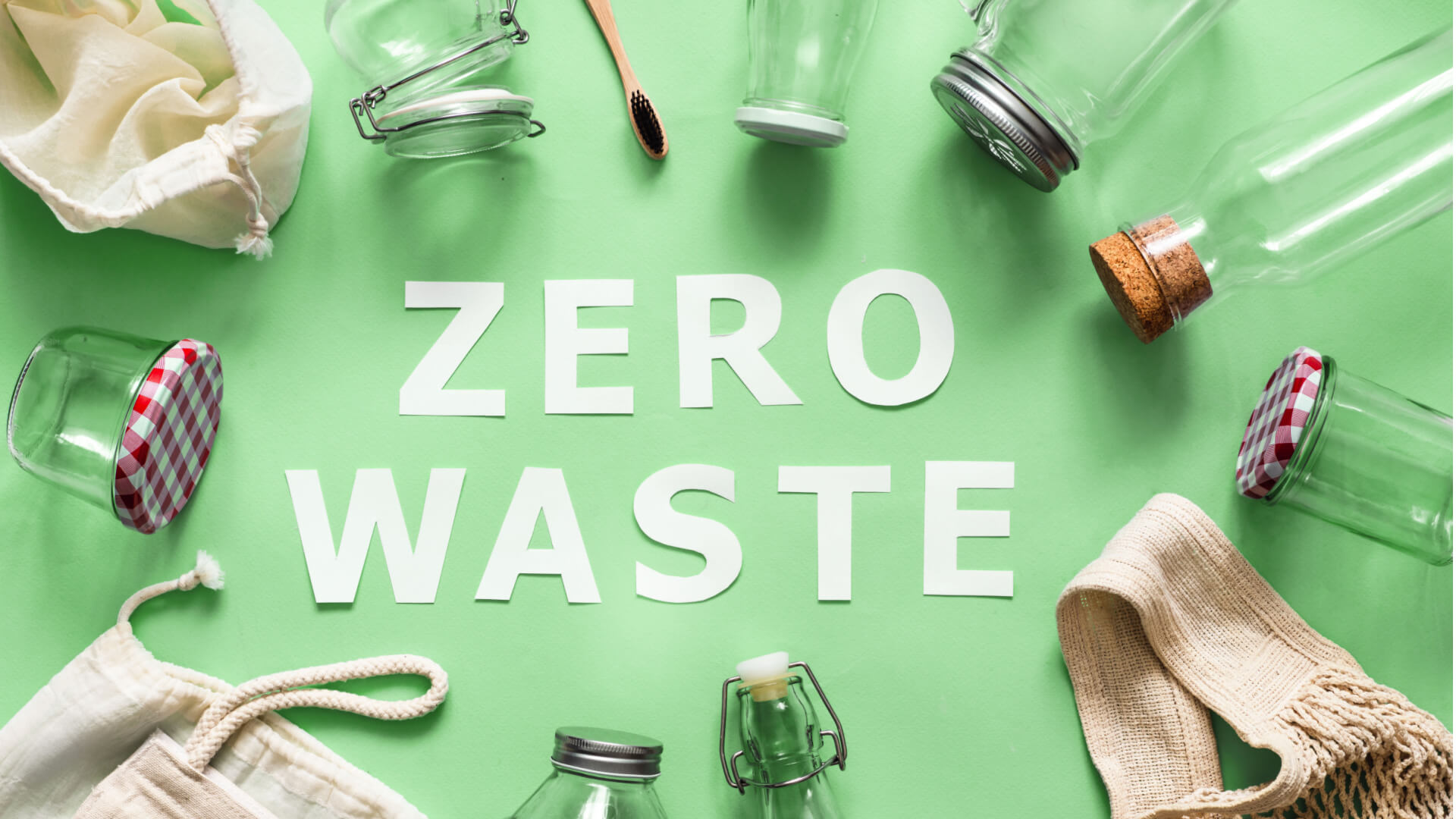
Zero Waste Lifestyle – A Practical Path Toward Sustainable Living!
The zero waste lifestyle is more than just a trend — it’s a conscious effort to reduce the amount of trash we send to landfills and incinerators. At its core, zero waste is about making smarter choices that protect the environment, conserve resources, and promote long-term sustainability. While producing absolutely no waste may be unrealistic for most people, moving toward less waste is both achievable and impactful.
In a world facing pollution, overflowing landfills, and climate change, adopting a zero waste lifestyle empowers individuals to make meaningful differences through everyday actions.
What Is a Zero Waste Lifestyle?
A zero waste lifestyle focuses on minimizing waste generation by rethinking how we buy, use, and dispose of products. The goal is to keep materials in use for as long as possible and prevent them from becoming trash.
It is often guided by the 5 R’s:
- Refuse what you don’t need
- Reduce what you do need
- Reuse what you already have
- Recycle what you can’t refuse, reduce, or reuse
- Rot (compost) organic waste
This approach shifts attention away from disposable culture and toward mindful consumption.
Why Does Zero Waste Matters?
Modern lifestyles produce enormous amounts of waste. Single-use plastics, fast fashion, and packaged goods contribute to pollution in oceans, soil, and air. Landfills release greenhouse gases like methane, which contribute to climate change.
By adopting zero waste habits, individuals help:
- Reduce landfill overflow
- Cut down plastic pollution
- Conserve natural resources
- Lower carbon emissions
- Protect wildlife and ecosystems
Starting Your Zero Waste Journey:
Transitioning to a zero waste lifestyle doesn’t happen overnight. It’s a gradual process of replacing wasteful habits with sustainable alternatives.
1. Conduct a Trash Audit
Look at what you throw away most often. Food packaging? Plastic bottles? Paper towels? Identifying patterns helps you focus on areas where change will have the biggest impact.
2. Switch to Reusables
Replacing disposable items with reusable ones is one of the easiest first steps:
- Cloth shopping bags instead of plastic bags
- Refillable water bottles instead of single-use bottles
- Stainless steel or glass containers instead of plastic wrap
- Reusable coffee cups instead of takeaway cups
These swaps reduce daily waste significantly.
3. Buy in Bulk
Buying food and household goods in bulk reduces packaging waste. Many stores now offer bulk bins where you can fill your own containers with grains, nuts, spices, and cleaning products.
Zero Waste at Home:
The home is where most waste is generated, making it the best place to start.
Kitchen
The kitchen often produces food waste and packaging waste. Composting fruit and vegetable scraps turns organic waste into nutrient-rich soil. Planning meals and storing food properly also prevents spoilage.
Switching to reusable cloth towels instead of paper towels and using washable dishcloths instead of disposable sponges also helps.
Bathroom
Personal care products often come in plastic packaging. Zero waste alternatives include:
- Bar soap instead of liquid soap
- Shampoo bars instead of bottled shampoo
- Bamboo toothbrushes instead of plastic ones
- Refillable or DIY skincare products
These small changes reduce plastic waste significantly over time.
Cleaning
Many cleaning products come in single-use plastic bottles. Consider making your own cleaners with simple ingredients like vinegar and baking soda, or buy refillable options.
Shopping with Less Waste:
A key part of zero waste living is becoming a mindful consumer.
Choose Quality Over Quantity
Buying fewer, higher-quality items that last longer reduces waste in the long run. This applies to clothing, electronics, furniture, and more.
Avoid Fast Fashion
The fashion industry is a major source of waste and pollution. Choosing secondhand clothing, repairing garments, and supporting sustainable brands can make a big difference.
Say No to Excess Packaging
Whenever possible, choose products with minimal or recyclable packaging. Supporting brands that prioritize sustainable packaging encourages broader change.
Food and Zero Waste Living:
Food waste is one of the largest contributors to landfill waste. Planning meals, storing food correctly, and using leftovers creatively can significantly reduce waste.
Buying local and seasonal produce often means less packaging and a lower environmental footprint. Composting food scraps further closes the loop by returning nutrients to the soil.
The Financial Benefits:
A zero waste lifestyle can also save money. Buying less, reusing items, repairing instead of replacing, and cooking at home all reduce expenses.
Although some eco-friendly products may have higher upfront costs, they often last much longer than disposable alternatives, making them more economical over time.
Challenges of Zero Waste Living:
Zero waste living is not always easy. Some areas lack bulk stores or recycling facilities. Certain products are difficult to find without packaging. Social situations and convenience can also make waste-free choices challenging.
It’s important to remember that progress matters more than perfection. Every small step toward reducing waste counts.
Community and Collective Impact:
Zero waste is more powerful when communities get involved. Local refill stores, repair cafes, clothing swaps, and composting programs make sustainable living more accessible.
Sharing knowledge and encouraging others helps create a culture that values sustainability over disposability.
The Bigger Picture:
A zero waste lifestyle supports a circular economy, where products are reused, repaired, and recycled instead of discarded. This reduces pressure on natural resources and limits environmental damage.
While individual action is important, businesses and governments also play key roles in designing products and systems that reduce waste. Consumer demand for sustainable options pushes industries to innovate.
FAQ’s:
1. What does a zero waste lifestyle mean?
It means trying to reduce the amount of trash you produce by reusing, recycling, and composting as much as possible.The goal isn’t perfection, but making more sustainable everyday choices.
2. Is it possible to produce absolutely zero waste?
For most people, producing absolutely no waste is very difficult in modern society.Zero waste is more about reducing waste significantly rather than eliminating it completely.
3. Does living zero waste cost more money?
Some eco-friendly products may cost more at first, but they usually last much longer.Over time, buying less and reusing more often saves money.
4. How can beginners start a zero waste lifestyle?
Start small by switching to reusable bags, bottles, and containers.Then focus on reducing food waste and avoiding single-use plastics.
5. Why is a zero waste lifestyle important for the environment?
It helps reduce landfill waste, pollution, and the use of natural resources.This leads to cleaner oceans, healthier ecosystems, and lower carbon emissions.
Conclusion:
A zero waste lifestyle is about making thoughtful choices that reduce our environmental footprint. By refusing unnecessary items, reducing consumption, reusing materials, recycling responsibly, and composting organic waste, individuals can make a real difference.
You don’t have to be perfect to be part of the movement. Every reusable bag, every composted peel, and every product you choose not to buy brings us one step closer to a cleaner, healthier planet.